
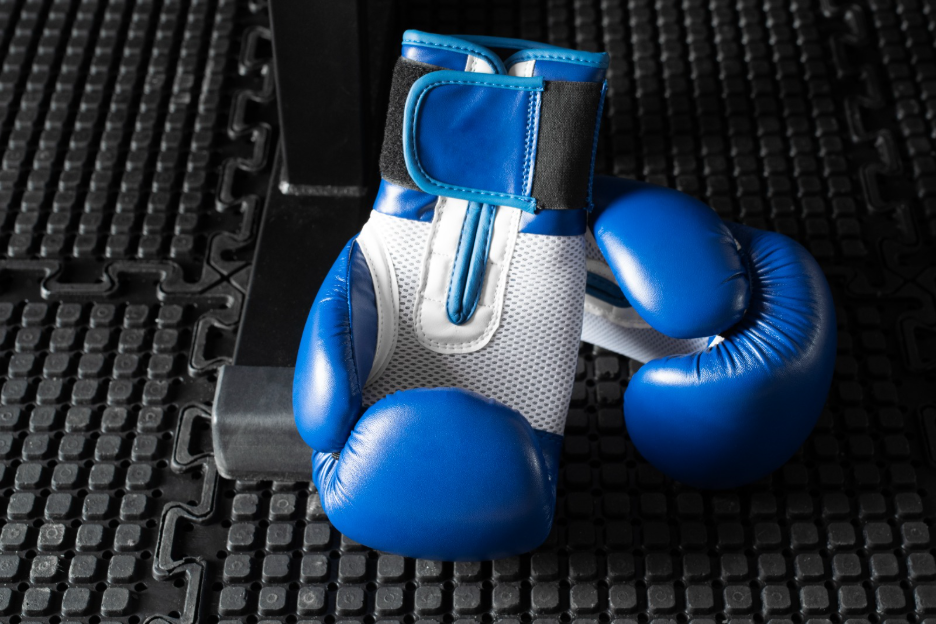
Choosing the best boxing gloves for heavy bag training is a crucial step for anyone starting their boxing or fitness journey. Whether you are building a home gym or beginning structured workouts, the gloves you select directly impact your safety, comfort, and long-term progress.
Many beginners assume that all boxing gloves serve the same purpose. In reality, heavy bag training creates consistent, repetitive impact that requires proper hand protection. Without the right gloves, you may experience discomfort, poor punching technique, or even long-term injuries.
This guide is designed for beginners and home gym users, including individuals referred by dentists who are advised to engage in controlled physical activities. It explains how to choose the right bag gloves for beginners while focusing on safety, functionality, and performance.
Why Heavy Bag Training Requires Specific Gloves
Heavy bag training differs significantly from other forms of boxing practice. When you punch a heavy bag, the resistance is fixed, and the impact is absorbed in a consistent way. This repetitive force places stress on your knuckles, wrists, and joints.
Unlike sparring, where impact is shared between two moving individuals, heavy bag workouts require gloves that prioritize shock absorption and stability.
Key Reasons to Use Dedicated Bag Gloves
- They provide better padding to reduce impact on knuckles
- They offer improved wrist support for alignment and stability
- They are built with durable materials to handle repeated use
- They help maintain proper punching form during training
For beginners, using the correct gloves is essential to avoid injury and build confidence during workouts.
Understanding the Structure of Boxing Gloves
To choose the best boxing gloves for heavy bag training, it is important to understand how gloves are constructed. Each component plays a role in safety and performance.
Outer Material
The outer layer determines durability and longevity.
- Synthetic leather is affordable and suitable for beginners
- Genuine leather offers higher durability and is ideal for regular use
Inner Padding
Padding absorbs shock and protects your hands.
- Multi-layer foam padding is the most effective
- Denser padding is recommended for heavy bag workouts
- Softer padding may feel comfortable but may not offer enough protection
Wrist Closure System
Wrist support is essential for maintaining alignment.
- Hook-and-loop closures are easy to use and ideal for beginners
- Lace-up gloves offer better fit but require assistance
Inner Lining
The inner lining affects comfort and hygiene.
- Moisture-wicking materials help reduce sweat buildup
- Breathable designs improve airflow and reduce odor
Types of Bag Gloves for Beginners
Understanding different types of gloves helps beginners make informed decisions based on their training needs.
Training Gloves
Training gloves are versatile and commonly used by beginners. They can be used for:
- Heavy bag workouts
- Pad training
- Light sparring
These gloves are a practical choice for those who want a single pair for multiple purposes.
Dedicated Bag Gloves
Bag gloves are specifically designed for heavy bag use.
- They are usually lighter
- They provide focused impact absorption
- They are more compact than training gloves
They are ideal for users who primarily train on heavy bags.
Hybrid Gloves
Hybrid gloves combine features of both training and bag gloves.
- They offer flexibility for different types of workouts
- They are suitable for beginners experimenting with different training styles
Glove Weight Guide for Heavy Bag Training
Choosing the right glove weight is critical for both protection and performance. Glove weight is measured in ounces (oz), and it affects padding and overall feel.
| Body Weight Range | Recommended Glove Weight | Training Purpose |
| Under 60 kg | 10 oz to 12 oz | Speed and light bag work |
| 60 to 75 kg | 12 oz to 14 oz | Balanced training |
| 75 to 90 kg | 14 oz to 16 oz | Heavy bag and conditioning |
| Over 90 kg | 16 oz+ | Maximum protection |
For beginners, slightly heavier gloves are often recommended because they provide additional padding and reduce the risk of injury.
How to Choose the Best Boxing Gloves for Heavy Bag Training
Selecting the right gloves involves more than just picking a size or brand. Beginners should consider several factors to ensure safety and comfort.
1) Focus on Protection First
Protection should always be the top priority. Look for gloves with:
- Thick, multi-layer padding
- Reinforced knuckle areas
- Strong wrist support
2) Ensure Proper Fit
A well-fitting glove improves performance and prevents injuries.
- Gloves should feel snug but not tight
- There should be minimal movement inside the glove
- Always try gloves with hand wraps
3) Consider Your Training Frequency
Your usage level affects the type of gloves you need.
- Occasional users can choose budget-friendly options
- Regular users should invest in durable gloves
4) Evaluate Comfort and Ventilation
Comfort plays a major role in maintaining consistency.
- Breathable gloves reduce sweat buildup
- Comfortable lining prevents irritation
5) Think About Long-Term Use
Beginners often upgrade their gear as they progress. Choosing a reliable pair of gloves initially can reduce the need for frequent replacements.
Common Mistakes Beginners Should Avoid
Many beginners make avoidable mistakes when choosing bag gloves for beginners. Being aware of these can help you make a better decision.
Ignoring Wrist Support
Weak wrist support increases the risk of strain and injury.
Choosing Gloves Based on Appearance
Design and color should not be the deciding factors. Functionality and protection are more important.
Using One Pair for All Training
Using the same gloves for heavy bag training, sparring, and pad work can reduce their effectiveness and lifespan.
Skipping Hand Wraps
Hand wraps provide additional support and help absorb sweat. Skipping them can lead to discomfort and hygiene issues.
Benefits of Using the Right Gloves
Using the correct gloves offers several advantages, especially for beginners.
Injury Prevention
Proper gloves reduce the risk of:
- Knuckle injuries
- Wrist strain
- Joint fatigue
Improved Technique
When your hands are protected, you can focus on:
- Correct punching form
- Accuracy and timing
- Building muscle memory
Increased Confidence
Beginners feel more confident when they know their equipment is reliable and safe.
Better Training Consistency
Comfortable gloves encourage regular practice, which is essential for progress.
Maintenance Tips for Long-Lasting Gloves
Proper care extends the life of your gloves and maintains hygiene.
After Each Session
- Air dry your gloves completely
- Keep them out of closed bags
Weekly Maintenance
- Wipe the interior with a dry cloth
- Use glove deodorizers if needed
Storage Tips
- Store in a cool, dry place
- Avoid exposure to direct sunlight
Training Tips for Beginners Using Heavy Bag Gloves
In addition to choosing the right gloves, beginners should follow safe training practices.
Start with Light Intensity
Focus on technique before increasing power.
Maintain Proper Form
Incorrect form can lead to injuries even with good gloves.
Take Breaks
Allow your hands and wrists to recover between sessions.
Use Hand Wraps Consistently
Hand wraps provide essential support and should always be used during training.
Who Should Use Heavy Bag Gloves
Heavy bag gloves are suitable for a wide range of users.
Beginners
They provide protection and help build foundational skills.
Home Gym Users
They are ideal for individuals training independently.
Individuals Referred by Dentists
Some individuals are advised to engage in controlled physical activity as part of their routine. Heavy bag training can be adapted for such users when done with proper equipment and moderate intensity.
Internal Resource for Further Learning
Users who want to explore more detailed comparisons and advanced glove features can review professional boxing glove options available on the Boxing Royale platform. This helps in understanding differences in material, structure, and performance for long-term training needs.
Final Thoughts
Choosing the best boxing gloves for heavy bag training is an important step for beginners. The right gloves protect your hands, improve your technique, and support consistent training.
Beginners should focus on protection, fit, and durability rather than appearance or price alone. With the right gloves and proper training habits, heavy bag workouts can become a safe and effective part of your fitness routine.
FAQs
1. What are the best boxing gloves for heavy bag training?
The best gloves are those with strong padding, good wrist support, and a comfortable fit. Beginners should consider gloves in the 12 oz to 16 oz range.
2. Can beginners use bag gloves for all types of training?
Bag gloves can be used for heavy bag workouts, but they may not be suitable for sparring. Training gloves are a better all-in-one option.
3. How often should I replace my boxing gloves?
Gloves should be replaced every 6 to 12 months depending on usage and maintenance.
4. Are heavier gloves safer for beginners?
Yes, heavier gloves provide more padding and better protection, making them suitable for beginners.
5. Do I need hand wraps with boxing gloves?
Yes, hand wraps provide additional support and help prevent injuries.
6. How do I know if my gloves fit properly?
Gloves should feel snug without restricting movement. There should be no excessive space inside the glove.
7. What is the difference between bag gloves and training gloves?
Bag gloves are designed specifically for heavy bag workouts, while training gloves are more versatile and can be used for multiple purposes.