
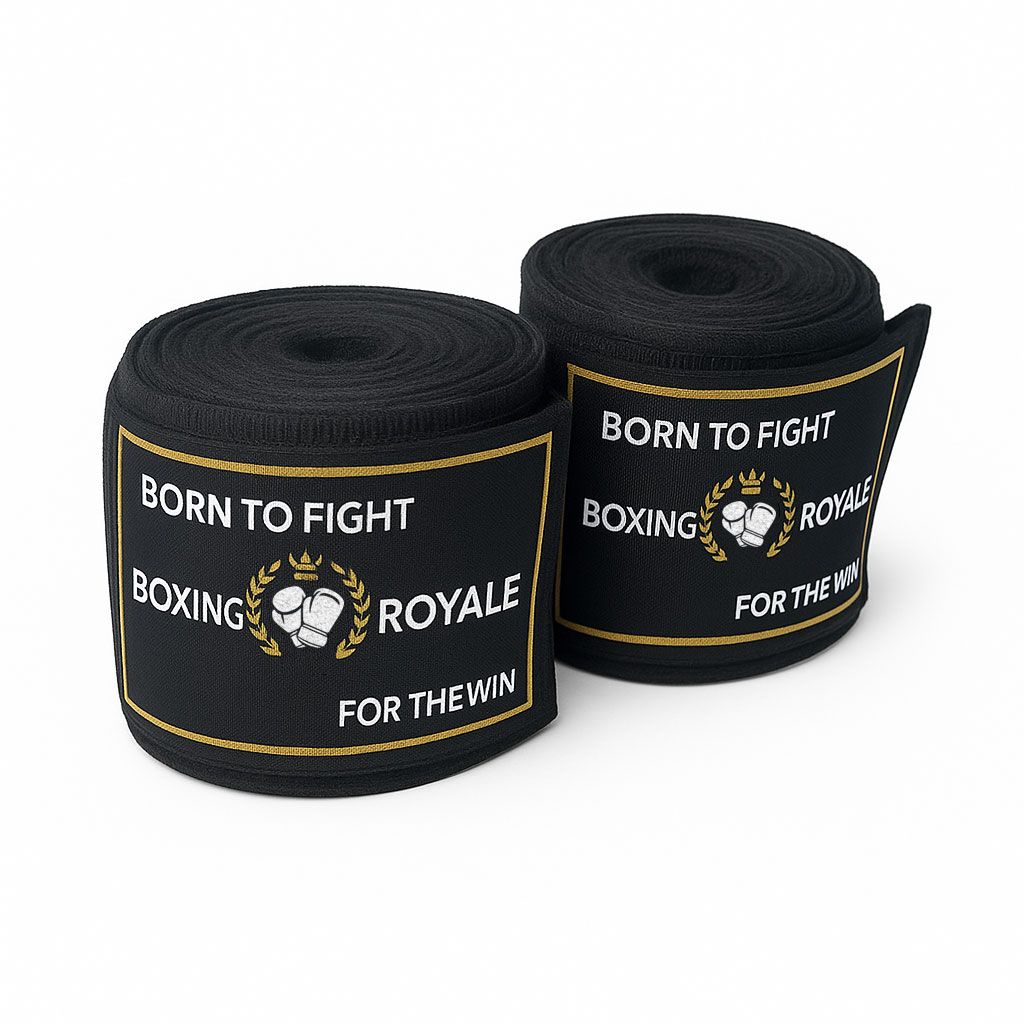
New trainees often skip hand wraps in their first few sessions, assuming gloves alone provide enough protection. It's a reasonable assumption on the surface, but it overlooks how much work the hands and wrists actually do during punching, and how little support gloves provide to the joints underneath. If you're asking do you need boxing hand wraps, this guide explains exactly what wraps do, why they matter, and when they're genuinely essential. You can also browse everything needed for training if you're putting together a full beginner kit alongside this guide.
What Hand Wraps Actually Do
Hand wraps serve a very specific purpose that gloves alone can't replicate. While gloves absorb and cushion impact from the outside, wraps stabilise the internal structure of the hand, specifically the many small bones and joints in the wrist and knuckles. Without this support, repeated punching can cause these bones to shift slightly on impact, increasing the risk of sprains, fractures, and long-term joint strain.
Wraps also compress soft tissue around the wrist, reducing the amount of flex that occurs when a punch lands. This is particularly important during heavier bag work or sparring, where impact forces are significantly higher than in shadowboxing or pad drills without contact. Coaches often reinforce this during structured sessions, and our coaching equipment range shows the kind of pad and mitt gear this level of impact protection is designed for.
Why Wear Hand Wraps Even for Light Training?
A common misconception among beginners is that wraps are only necessary for sparring or heavy contact work. In reality, why wear hand wraps comes down to consistent joint protection, not just protection during high-impact sessions. Even light bag work or focus mitt drills place repetitive stress on the wrist, and skipping wraps during these sessions still carries a real, if smaller, risk of strain over time.
Building the habit of wrapping hands for every session, regardless of intensity, also helps beginners develop good technique early. Wraps encourage a straighter wrist alignment on impact, which reinforces proper punching form from the very beginning of training rather than allowing bad habits to develop unchecked. This is one of several habits worth reading up on if you're new to the sport, and our beginner training advice covers other early fundamentals worth getting right from day one.
The Boxing Safety Case for Wraps
From a pure boxing safety standpoint, hand wraps are one of the simplest and most cost-effective injury prevention tools available to any trainee. Hand and wrist injuries are among the most common issues reported by boxers at every level, and a large proportion of these injuries could be reduced with consistent, correctly applied wrapping.
A few of the specific safety benefits wraps provide:
-
Stabilising the wrist joint to reduce hyperextension on impact
-
Compressing and supporting the small bones across the knuckles
-
Reducing friction between skin and glove lining during longer sessions
-
Absorbing sweat, which helps maintain better glove hygiene over time
Most gyms treat wraps as a non-negotiable part of training for exactly this reason, often requiring them before allowing any bag work or pad drills, regardless of a trainee's experience level. If you're building a full safety kit rather than just wraps, our additional protective gear range covers other items gyms commonly require for contact sessions.
What Happens If You Skip Hand Wraps
Skipping wraps doesn't always cause an immediate, obvious problem, which is part of why beginners sometimes underestimate the risk. Damage from unsupported punching is often cumulative, building gradually through repeated sessions rather than appearing after a single class. Over time, this can lead to chronic wrist discomfort, reduced grip strength, or a heightened risk of a more serious injury during a single hard impact.
There's also a practical downside beyond injury risk. Gloves worn without wraps tend to wear out faster internally, since sweat and friction affect the lining directly rather than being absorbed by a wrap underneath. This means skipping wraps can end up costing more in the long run through earlier glove replacement, not just through increased injury risk.
How to Wrap Your Hands Correctly
Wrapping technique matters just as much as the decision to wear wraps in the first place. Poorly applied wraps, either too loose or excessively tight, can fail to provide proper support or restrict circulation uncomfortably. A general beginner approach includes:
-
Securing the wrap around the wrist first, with two to three snug loops
-
Weaving between the fingers to stabilise individual knuckles
-
Covering the back of the hand and knuckle area with even, flat layers
-
Finishing with additional wrist loops before securing the velcro closure
It's worth practising this a few times outside of training sessions until it becomes quick and comfortable, since a properly wrapped hand should take under a minute once the technique feels familiar. If you're unsure about sizing or fit once you start practising, our blog page covers many of the queries beginners run into early on.
Choosing the Right Wraps for Beginners
Not all wraps are built the same way, and beginners benefit from choosing options suited to their training frequency and hand size. Length is one of the most important factors, since shorter wraps suit smaller hands or lighter training, while longer wraps offer more coverage for heavier bag work or frequent sparring. Material also matters, with semi-elastic cotton blends offering a good balance of support and breathability for most beginners. Checking our most popular boxing gear can also give a sense of which wrap styles trainees tend to prefer.
For a closer look at options suited to different hand sizes and training styles, our wrap and support gear selection covers a range built around exactly these beginner considerations.
Pairing Wraps With the Right Gloves
Wraps and gloves work together as a system, not as separate, independent pieces of gear. A well-fitted glove still needs a wrap underneath to function as intended, since the glove's padding is designed to work alongside the support wraps provide, not replace it entirely. Beginners choosing their first pair of gloves should factor wraps into their overall setup from the start, rather than treating them as an optional extra to add later.
If you're still working out which gloves suit your training style, our training glove range is a useful starting point, and pairing the right pair with proper wraps from day one avoids having to adjust your setup later on.
When Additional Support Might Be Needed
For some trainees, particularly those with previous wrist injuries or naturally looser joints, standard wraps alone may not provide enough support. In these cases, additional protective equipment alongside wraps can offer extra reassurance, particularly during more intense sparring sessions. It's always worth discussing individual needs with a coach, since they can usually spot early signs of poor wrist alignment before it becomes a genuine issue.
Conclusion
So, do you need boxing hand wraps? For anyone training regularly, the answer is a clear yes. Wraps stabilise the wrist and knuckles, reduce injury risk, protect glove hygiene, and reinforce good punching technique from the very start of training. Skipping them might not cause an obvious problem in a single session, but the cumulative risk to your hands simply isn't worth avoiding a habit that takes less than a minute to build into your routine.
FAQs
1. Do beginners really need hand wraps for light training?
Yes. Even light bag work places repetitive stress on the wrist, so wraps help even at low intensity.
2. Can I use gloves without hand wraps?
You can, but it increases injury risk and wears out glove lining faster over time.
3. How tight should hand wraps be?
Snug enough to support the wrist without restricting circulation or causing numbness in the fingers.
4. How long should a beginner's hand wraps be?
Shorter wraps suit lighter training, while longer wraps offer more coverage for heavier sessions.
5. Do hand wraps prevent all wrist injuries?
No, but they significantly reduce risk when combined with correct technique and appropriate glove choice.