
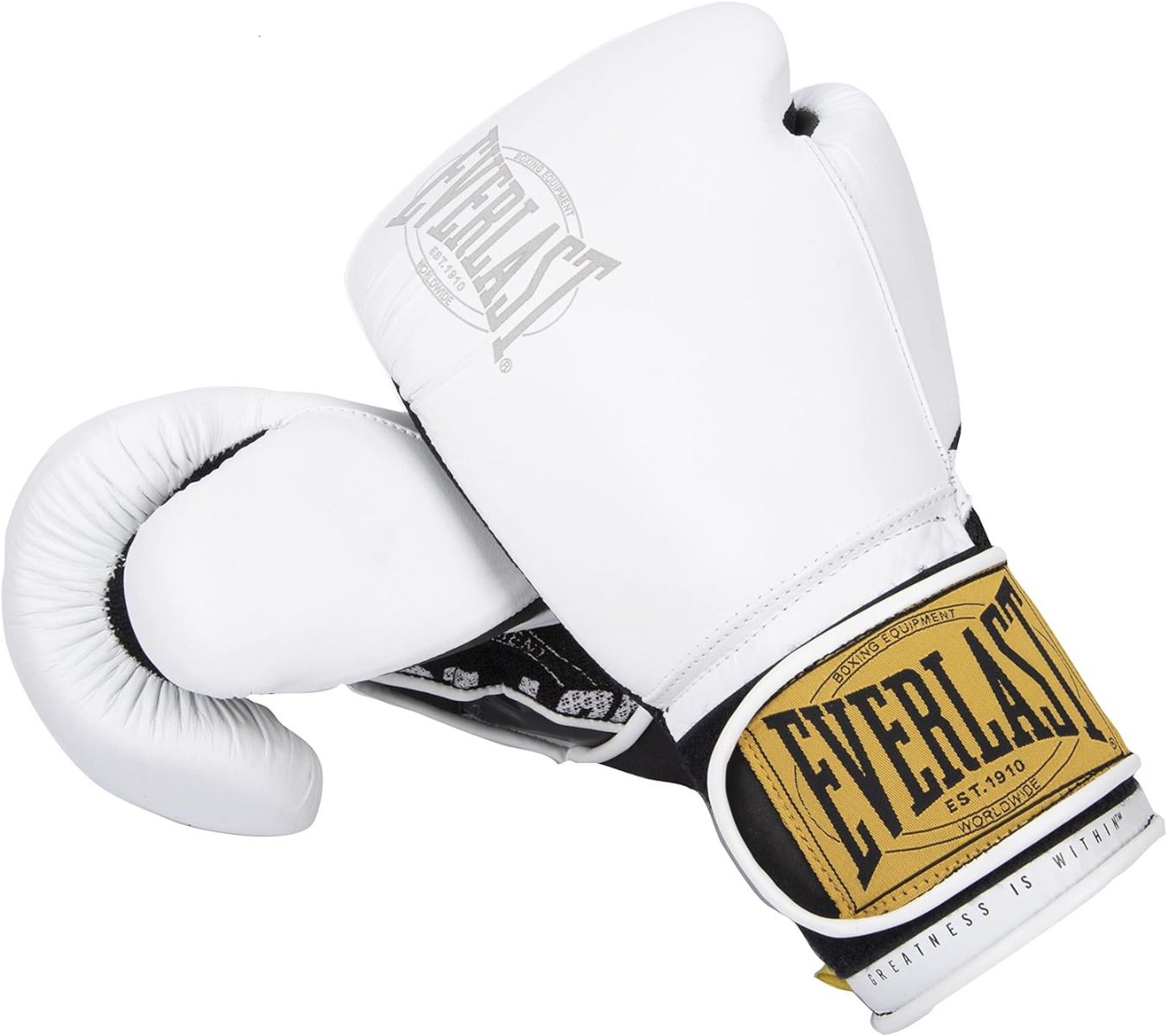
Walking into your first training session with the wrong gloves can turn an exciting start into a frustrating one, whether that means hands sliding around inside oversized padding or wrists aching after just a few rounds. Knowing how to choose boxing gloves before you buy saves money, prevents injury, and makes early training sessions far more enjoyable. This guide walks through everything a beginner needs to know, and you can browse the full boxing gear collection as you read to see how these guidelines apply to real products.
Why Glove Choice Matters More Than Beginners Expect
New trainees often assume any glove will do for the first few months, but the wrong choice can lead to poor technique, wrist strain, or even injury during pad work and sparring. Gloves that are too light won't offer enough protection for the wearer or the training partner, while gloves that are too heavy can throw off punching form and slow down skill development. Getting the fit and weight right from day one makes a noticeable difference in both comfort and progress.
Beyond comfort, the right gloves also protect your hands long term. Boxing places repeated stress on the knuckles, wrists, and small bones of the hand, so proper padding and support aren't optional extras, they're a core part of injury prevention for anyone training regularly.
Understanding Glove Weight
Glove weight is measured in ounces (oz) and is one of the first specifications beginners need to understand. Heavier gloves have more padding, which offers greater protection but adds resistance during punching drills. Lighter gloves are less padded and faster to throw, but they offer less cushioning for both the wearer and any sparring partner.
As a general starting point for most adult beginners:
-
10oz to 12oz gloves suit lighter trainees or those focused mainly on pad work
-
14oz gloves are a common all-purpose choice for general training and light sparring
-
16oz gloves are typically required for sparring sessions at most gyms
-
18oz or heavier gloves are usually reserved for very heavy bag work or larger fighters
Gym rules often dictate a minimum glove weight for sparring, so it's worth checking with your coach before buying if you already know you'll be sparring soon. Some beginners choose to buy two pairs early on, a lighter set for pad work and a heavier set for sparring, rather than trying to make one pair cover every training scenario.
Getting Boxing Glove Size Right
Boxing glove size isn't the same as glove weight, and confusing the two is one of the most common beginner mistakes. Size refers to how the glove fits around your hand and wrist, while weight refers to the amount of padding. A glove can be the correct weight for your training style but still fit poorly if the internal sizing doesn't match your hand.
To get sizing right, it helps to measure your hand circumference and compare it against a brand's specific size chart, since sizing can vary slightly between manufacturers. A properly fitted glove should feel snug around the hand without restricting circulation, and the wrist strap should close comfortably without gaps or excessive tightness.
A few sizing signs to watch for once you've tried a pair on:
-
Fingers shouldn't feel cramped or unable to curl comfortably into a fist
-
The wrist strap should close with some room to spare, not maxed out
-
There shouldn't be excess space at the fingertips once the hand is clenched
-
The thumb should sit naturally alongside the glove without forced angling
If a glove fails more than one of these checks, it's usually worth trying a different size before committing to a purchase.
Choosing Training Gloves as a True Beginner
Not all gloves are designed for the same purpose, and understanding the difference matters when you're just starting out. Training gloves are generally built for versatility, covering pad work, bag work, and light technical sparring without being overly specialised for one activity. This makes them a sensible starting point rather than jumping straight into highly specific competition gloves.
A few features worth prioritising in a first pair of training gloves:
-
Layered foam padding for shock absorption during bag and pad work
-
A secure wrist strap that supports the joint without limiting movement
-
Breathable lining to reduce sweat buildup during longer sessions
-
Durable stitching that can handle frequent, regular use
For a closer look at gloves designed specifically for people just starting out, our beginner gloves selection highlights options built around comfort and versatility rather than competition-specific performance.
Two Popular Beginner-Friendly Gloves to Consider
Seeing real examples can make these guidelines easier to apply. The Everlast Spark Training Gloves are a widely chosen entry point for new trainees, offering layered padding and a secure wrist closure at a price that suits beginners who aren't ready to commit to premium gear yet.
For those who want a slightly more classic build with added durability, the Everlast 1910 Classic Training Gloves offer a heritage-style design with reinforced padding, and they can also be personalised, which appeals to trainees who want their gear to feel a little more individual from day one. Comparing options like these side by side is often more useful than reading specifications alone, since it shows how weight, padding, and fit actually translate into a real product.
Material and Build Quality
Beyond size and weight, material quality plays a significant role in how long a pair of gloves lasts and how comfortable they remain over time. Genuine or synthetic leather exteriors tend to hold their shape better than lower-cost vinyl alternatives, especially with regular use. Internally, multi-layer foam padding distributes impact more evenly than single-layer foam, which matters both for comfort and for protecting your hands during longer training blocks.
It's worth trying gloves on, or at least checking detailed sizing information, before committing to a purchase, since a well-built glove that fits poorly will still feel uncomfortable regardless of its material quality. Some beginners also like to add a personal touch once they've settled on the right fit, and our personalised boxing gloves range shows how that can be done without compromising on build quality.
Stitching quality is another detail worth checking closely, particularly around the thumb and wrist strap, since these areas experience the most repeated stress during training. Reinforced seams in these spots are usually a good sign of a glove built to handle regular, ongoing use rather than occasional sessions.
Complementary Gear You'll Need Alongside Gloves
Gloves rarely work well in isolation, and most gyms expect a small amount of supporting gear before you step onto the mats or into the ring. Hand wraps are non-negotiable, since they stabilise the wrist and knuckles underneath the glove itself. Depending on your training style, you may also want to look into additional protective gear, particularly if sparring or contact drills are part of your gym's regular sessions.
Building this supporting kit gradually, rather than buying everything at once, is often the more sensible approach for beginners. Start with gloves and hand wraps, then add further protective items as your training style becomes clearer over the first few weeks.
Matching Gloves to Your Training Goals
Different training goals call for slightly different glove priorities, even at the beginner stage. If your main focus is technique and pad work, prioritising fit and wrist support matters more than heavier padding. If you're planning to spar early on, checking your gym's minimum weight requirement becomes essential before choosing a pair. Browsing our bestselling gloves can also be a useful starting point if you're unsure which style tends to work well for most beginners.
-
For bag work: prioritise durable padding and secure wrist support
-
For pad work: prioritise a snug fit and manoeuvrability over heavy padding
-
For light sparring: check your gym's required minimum glove weight first
-
For general fitness boxing: a versatile 12oz to 14oz glove usually works well
Thinking about your primary training activity before buying helps avoid ending up with a pair that's mismatched to how you'll actually use it. It's also worth revisiting this decision every few months, since training goals often shift once technique and stamina improve.
Common Mistakes Beginners Make When Buying Gloves
A few recurring mistakes tend to trip up first-time buyers, and being aware of them in advance makes the buying process much smoother:
-
Buying based on weight alone without checking hand circumference sizing
-
Choosing gloves that are too light for the type of training being done
-
Ignoring wrist support in favour of appearance or brand name alone
-
Skipping hand wraps, which are essential for wrist protection under any glove
-
Assuming all brands size gloves the same way without checking individual charts
-
Prioritising price over padding quality, which often costs more in replacements later
Avoiding these mistakes early on helps prevent both discomfort and the added cost of replacing a poorly chosen pair within the first few months of training.
How Often Should Beginners Replace Their Gloves?
Even well-made gloves don't last forever, and knowing when to replace them is part of maintaining a safe training setup. Padding compresses over time with repeated impact, which gradually reduces the protection a glove offers even if it still looks intact from the outside. Most beginners training a few times a week can expect a solid pair to last roughly one to two years before padding noticeably breaks down.
Signs that it's time for a replacement include flattened or uneven padding, a wrist strap that no longer closes securely, or visible cracking in the outer material.
Conclusion
Learning how to choose boxing gloves as a beginner comes down to understanding a few key factors: glove weight, proper sizing, build quality, and how the gloves match your specific training goals. Getting these details right from the start leads to safer, more comfortable training sessions and better long-term progress. Take the time to measure your hand, understand your gym's requirements, and choose a pair suited to your current training focus rather than guessing based on appearance alone.
FAQs
1. What glove weight is best for beginners?
Most beginners start with 12oz to 14oz gloves, suitable for pad work and general training sessions.
2. How do I measure my hand for boxing glove size?
Measure your hand circumference around the knuckles and compare it to the brand's specific size chart.
3. Can I use the same gloves for bag work and sparring?
Sometimes, but sparring usually requires heavier padding, often 16oz, depending on gym rules.
4. Do I need hand wraps with boxing gloves?
Yes. Hand wraps support the wrist and knuckles and should always be worn underneath gloves.
5. How long do beginner boxing gloves usually last?
With regular use, quality gloves typically last one to two years before padding or stitching wears down.