
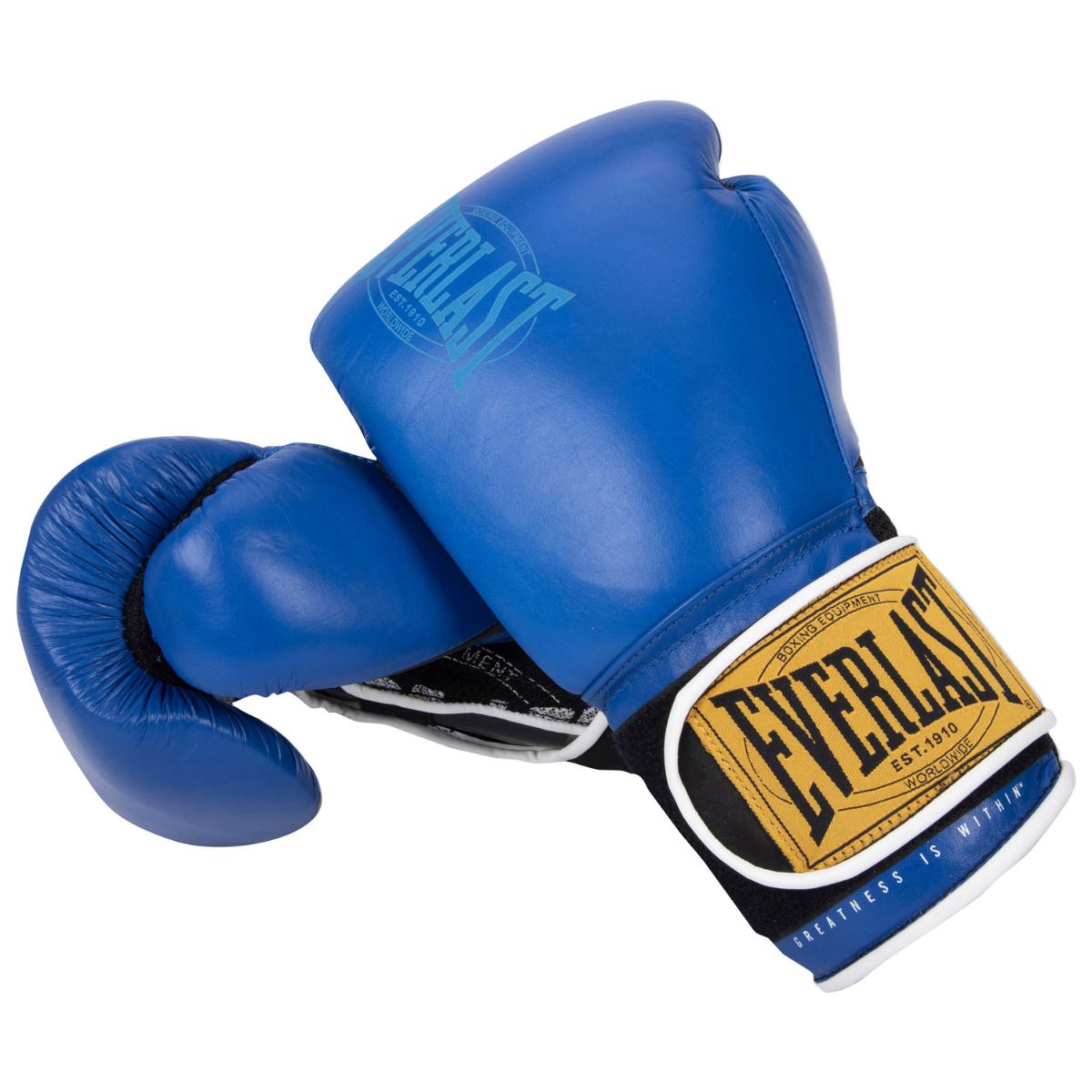
Walk into any combat sports store and you'll find rows of gloves that look nearly identical at first glance. But boxing gloves and Muay Thai gloves are built for different purposes, and choosing the wrong pair can affect both performance and safety. Whether you're training in boxing, Muay Thai, or both, understanding the differences before you buy will save you money and frustration down the line. Browsing a full combat sports equipment selection is one of the easiest ways to see these differences firsthand.
Why the Comparison Matters for Buyers
Boxing gloves vs Muay Thai gloves isn't just a semantic distinction between two similar products. Each style is engineered around the specific techniques used in its sport, which means the wrong glove can actually limit your training rather than support it. Buyers who understand these differences make more confident purchasing decisions, and browsing a dedicated boxing gloves selection makes it easier to compare fit and padding before committing to a pair.
Shape and Design Differences
The most immediately noticeable difference between the two glove types is shape. Boxing gloves are designed with a rounded, contoured fist shape optimized purely for punching, since boxing doesn't involve clinching, elbow strikes, or catching kicks. Muay Thai gloves, by contrast, have a slightly wider, more open shape that allows for better hand movement, catching kicks, and clinching with an opponent.
Key shape-related differences to know:
-
Boxing gloves have a tighter, more contoured fist shape
-
Muay Thai gloves feature a wider palm area for flexibility
-
Muay Thai gloves allow for easier hand-opening during clinch work
-
Boxing gloves prioritize a locked fist position for punching power
Padding and Knuckle Protection
Padding placement differs significantly between the two styles, largely because of how each sport uses the hands. Boxing gloves typically feature dense, layered padding concentrated heavily around the knuckles, since repeated punching is the primary action being protected against. Muay Thai gloves distribute padding a bit more evenly, balancing punch protection with the flexibility needed for other techniques, which is worth keeping in mind while comparing a Muay Thai-style kickboxing gloves lineup against standard boxing options.
Wrist Support Requirements
Wrist stability matters differently depending on the sport. Boxing involves rapid combinations and heavy punching output, which places significant strain on the wrist joint during extended sparring or bag work. Muay Thai gloves still offer wrist support, but boxing gloves generally feature a longer cuff and more rigid wrist wrap system to handle the higher punch volume typical of boxing training.
Wrist support factors worth comparing:
-
Boxing gloves often have longer cuffs for added stability
-
Muay Thai gloves offer slightly more wrist mobility
-
Both styles use hook-and-loop or lace closures for a secure fit
-
Wrist wraps are recommended under either glove type for extra support — a solid pair of handwraps protects your joints and extends the life of your gloves
Weight and Sizing Differences
Glove weight is typically measured in ounces, and both boxing and Muay Thai gloves come in similar weight ranges, generally between 8oz and 20oz depending on body size and training purpose. However, Muay Thai fighters often train with slightly heavier gloves during sparring to build endurance and control power output, while boxers may vary weight more based on whether they're doing bag work, mitt work, or sparring.
Common glove weight use cases:
-
8oz–10oz: competition gloves for lighter weight classes
-
12oz–14oz: general training and sparring for most adults
-
16oz: heavier sparring gloves offering extra protection
-
18oz–20oz: primarily used for larger or heavier trainees
Material and Durability Considerations
Both glove types are typically made from either genuine leather or synthetic leather, with genuine leather generally lasting longer and holding its shape better over repeated use. Muay Thai gloves, given the added stress from clinching and grappling-adjacent movement, often benefit from slightly reinforced stitching around the palm and wrist areas compared to standard boxing gloves. If you're training across disciplines, it's worth comparing that construction against a set of MMA gloves as well, since the demands overlap. Pairing either glove type with quality hand wraps also helps protect the gloves themselves by absorbing sweat before it reaches the padding.
Why Muay Thai Gloves Allow More Hand Function
One of the defining features of Muay Thai as a sport is its use of clinch work, where fighters grab and control an opponent at close range. This is impossible in a boxing glove, which is intentionally designed to keep the hand in a fixed, closed position. Muay Thai gloves accommodate this by allowing fingers more freedom of movement, letting practitioners open their hands to catch kicks or engage in clinch exchanges without removing their gloves.
Can You Use Boxing Gloves for Muay Thai Training?
This is one of the most common questions buyers ask, and the honest answer is: it depends on what you're training. For pad work or bag work focused purely on punching, boxing gloves generally work fine in a Muay Thai class. However, once clinch work, kick-catching, or sparring enters the picture, the limited hand mobility of boxing gloves becomes a real disadvantage, making dedicated Muay Thai equipment the better long-term investment.
Situations where boxing gloves fall short in Muay Thai training:
-
Clinch work requiring open-hand grip and control
-
Catching kicks, which demands flexible hand positioning
-
Full sparring sessions involving mixed technique exchanges
-
Extended training where hand fatigue differs by glove design
Price Differences Between the Two Styles
Pricing between boxing gloves and Muay Thai gloves is generally comparable, with cost driven more by material quality and brand than by glove type itself. Genuine leather gloves in either category tend to cost more than synthetic alternatives, but often justify the price through improved durability and break-in comfort over time. Buyers building out a full kit often budget for shin guards alongside gloves, since Muay Thai training typically requires both pieces of protective gear from the start browsing a full protective gear range at the same time as gloves is an easy way to avoid a second shopping trip later.
Choosing the Right Glove for Your Training Goals
Selecting between the two ultimately comes down to what you're training for. If your primary focus is boxing, whether for fitness, sparring, or competition, boxing-specific gloves will offer the fist positioning and wrist support your training demands. If you're pursuing Muay Thai or a mixed training approach that includes clinch work and kick defense, dedicated Muay Thai equipment built around that flexibility will serve you far better over time.
A quick decision guide based on training focus:
-
Pure boxing training: choose boxing-specific gloves
-
Pure Muay Thai training: choose Muay Thai-specific gloves
-
Mixed training or cross-training: consider owning both types
-
Casual fitness boxing only: either style typically works fine
Sparring Considerations for Both Sports
Sparring adds another layer to the decision, since protecting your training partner matters as much as protecting yourself. Heavier padding is generally recommended for sparring sessions regardless of discipline, and many gyms have specific glove weight requirements for safety. Adding headgear to your sparring setup is another common requirement worth checking with your gym or coach before purchasing sparring gear.
Breaking In New Gloves Properly
Regardless of which style you choose, new gloves typically need a break-in period before they feel fully comfortable. Genuine leather gloves especially benefit from gradual use, allowing the padding to mold to your hand shape over repeated sessions. Avoiding harsh conditions like excessive heat or moisture during this period helps preserve the glove's shape and extends its usable life.
Tips for breaking in new gloves properly:
-
Start with lighter bag work before heavy sparring sessions
-
Store gloves in a cool, dry place between uses
-
Avoid leaving gloves in direct sunlight or hot vehicles
-
Use glove deodorizers to manage moisture and odor buildup
Maintaining Your Gloves for Longevity
Proper care extends the life of both boxing gloves and Muay Thai gloves significantly. Sweat and moisture are the biggest enemies of glove longevity, breaking down padding and material over time if gloves aren't allowed to fully dry between sessions. Rotating gloves regularly, along with keeping a set of focus mitts on hand for coach-led pad work, helps distribute wear across your gear rather than concentrating it on a single pair.
Bringing It All Together
Boxing gloves and Muay Thai gloves may look similar on the surface, but the differences in shape, padding, and hand mobility reflect the distinct demands of each sport. Buyers who take the time to understand these differences end up with gear that actually supports their training rather than working against it. Whether you're outfitting yourself for boxing, Muay Thai, or a combination of both, choosing the right glove type from the start makes for a smoother, safer training experience.
Frequently Asked Questions
1. Can I use Muay Thai gloves for boxing training?
Yes, though they offer slightly less wrist support than dedicated boxing gloves for heavy punching.
2. What size gloves should a beginner buy?
Most beginners start with 12oz-14oz gloves, suitable for general training and light sparring.
3. Do Muay Thai gloves protect against kicks?
No, gloves protect hands only; shin guards and pads handle kick-related protection separately.
4. How long do boxing gloves typically last?
With proper care, quality gloves often last one to three years depending on training frequency.
5. Is leather or synthetic better for gloves?
Leather typically lasts longer and molds better to the hand, though synthetic options cost less.