
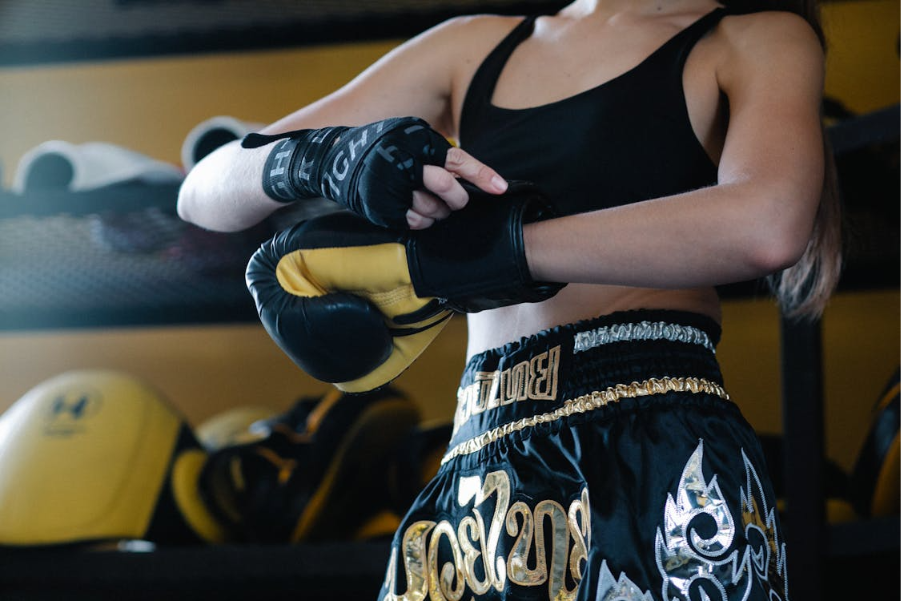
At first glance, boxing gloves and Muay Thai gloves can look almost identical. They share similar shapes, weights, and materials, which often leads people to assume that gloves are interchangeable across combat sports. In reality, the design differences between boxing gloves and Muay Thai gloves are intentional and important. Each type of glove is engineered to support the movements, techniques, and demands of its sport.
Choosing the wrong glove can affect performance, comfort, and even lead to unnecessary fatigue or injury. Whether you are a pure boxer, a kickboxer, an MMA athlete, or someone training for fitness, understanding how these gloves differ will help you make a smarter decision. This guide breaks down the key differences in shape, padding, and wrist support, and explains which glove type suits your training goals best.
The Shape: Grabbing vs. Punching
One of the most noticeable and important differences between boxing gloves and Muay Thai gloves is the overall shape of the glove. This design choice directly influences how the hand sits inside the glove and how naturally certain movements can be performed during training. Boxing gloves are designed with a curved internal structure that naturally forces the hand into a closed fist position, even when relaxed.
- This curved shape supports correct punching form by keeping the knuckles aligned and reducing unnecessary strain on the fingers.
- Because the glove helps maintain a fist, boxers can throw repeated punches without overworking the forearm muscles.
- Muay Thai gloves are intentionally designed with a flatter and more open palm structure.
- This open design allows fighters to easily open their hands for clinching, gripping, and controlling an opponent’s head or arms.
- The open palm also makes it easier to catch and control kicks, which is a fundamental part of Muay Thai and kickboxing.
- When used for strict boxing training, the open structure of Muay Thai gloves may require the wearer to consciously squeeze the fist closed. Over longer training sessions, this constant engagement can lead to forearm fatigue and reduced punching efficiency.
Padding Distribution: Knuckles vs. Back of the Hand
Padding placement is another key difference between boxing gloves and Muay Thai gloves, and it reflects the type of impact fighters are expected to absorb in each sport. Boxing gloves concentrate the majority of their padding directly over the knuckle area. This design prioritizes protection for the small bones of the hand that absorb repeated impact during punching.
- The focused padding helps reduce stress on the knuckles during heavy bag sessions, pad work, and sparring.
- Muay Thai gloves distribute padding more evenly across the entire glove.
- Additional padding is often placed along the back of the hand and wrist area.
- This extra coverage allows fighters to safely block kicks, elbows, and punches without injuring the hand.
- The evenly distributed padding also reduces the risk of bruising and long-term hand damage during frequent sparring.
Gloves known for thick, pillowy padding provide all-around protection. This makes them suitable for sparring across multiple striking disciplines.
Wrist Support: Rigid vs. Flexible
Wrist support plays a crucial role in both performance and injury prevention, especially for fighters who train frequently or throw powerful strikes. Boxing gloves typically feature long cuffs that extend further up the wrist and forearm. These cuffs are designed to be stiff and structured, locking the wrist into a straight and stable position.
- Strong wrist support helps prevent bending or collapsing during straight punches, hooks, and combinations.
- This rigidity allows boxers to punch with confidence, knowing their wrists are well protected.
- Muay Thai gloves use shorter cuffs that are intentionally more flexible.
- This flexibility allows the wrist to bend and rotate during clinching, framing, and defensive movements.
- While increased wrist mobility is useful in Muay Thai, it provides less stabilization during heavy punching sessions.
Hybrid glove designs aim to combine strong wrist support with controlled flexibility. This makes them suitable for fighters who cross-train or have a history of wrist issues.
Training Impact and Comfort
Comfort plays a significant role in training consistency. Gloves that do not match your sport or training style can cause unnecessary strain, discomfort, or distraction.
Boxing gloves tend to feel more compact and secure around the hand. The snug fit and curved shape reduce movement inside the glove, making punches feel more precise and controlled. This is particularly beneficial during pad work and bag training, where accuracy and repetition are key.
Muay Thai gloves often feel roomier inside. This extra space allows for hand opening and gripping, but it can feel loose or awkward for boxers accustomed to a tight fist. While some fighters enjoy this freedom, others may find it reduces punching efficiency during boxing-focused sessions.
Choosing the right glove improves not only comfort but also confidence. When gloves feel natural, fighters can focus on technique and conditioning rather than adjusting their grip or worrying about wrist stability.
The Verdict: What Should You Buy?
Choosing between boxing gloves and Muay Thai gloves ultimately depends on how you train and what your goals are. There is no universal “best” glove, only the best glove for your specific needs.
For pure boxers, traditional boxing gloves are the clear choice. Brands like Everlast are built specifically for punching, offering the shape, padding, and wrist support that boxers rely on. The ergonomics are designed for speed, power, and consistency, making them ideal for boxing-only training.
For kickboxers and MMA athletes, Muay Thai gloves make more sense. Gloves from brands like Fairtex or Twins Special provide the flexibility and padding needed for mixed striking, clinching, and blocking. These gloves adapt to a wider range of techniques and are better suited for hybrid training styles.
For fitness boxers and casual trainees, either option can work. The key is motivation and comfort. Many fitness-focused athletes find that personalized gloves help keep training enjoyable and consistent. When gloves feel unique and tailored, people are more likely to stay committed to their workouts.
Why Understanding This Difference Matters
This topic resonates because it solves a real problem. Many people walk into training assuming that all gloves perform the same function. Understanding the differences helps prevent poor purchases, discomfort, and avoidable injuries.
It also highlights the strengths of Muay Thai glove brands to audiences who may never have considered them before. Fighters who assume boxing gloves are the default may discover that Muay Thai gloves better suit their training style, especially for sparring and mixed striking.
Most importantly, explaining these differences positions you as an expert. Instead of simply selling products, you provide clarity, education, and value. When athletes feel informed, they trust the source, and that trust leads to long-term loyalty.
Final Thoughts
Boxing gloves and Muay Thai gloves may look similar, but they are built for very different purposes. The shape affects how your hand moves, the padding determines how impact is absorbed, and the wrist support influences both safety and performance. Choosing the right glove is not about trends or brand names, but about aligning equipment with your training needs.
When fighters understand their gear, they train smarter, stay healthier, and progress faster. Making the right choice today can protect your hands, improve your technique, and keep you in the gym longer.
Discover the full range of boxing and Muay Thai gloves and pick your ideal training companion by visiting us.
FAQs
1. What is the main difference between boxing and Muay Thai gloves?
Boxing gloves are designed for punching, while Muay Thai gloves allow clinching, blocking, and catching kicks.
2. Can I use Muay Thai gloves for boxing training?
Yes, but the open palm design may cause faster hand fatigue for strict boxing workouts.
3. Which gloves offer better knuckle protection?
Boxing gloves focus padding on the knuckles, offering stronger impact protection for repeated punching.
4. Are Muay Thai gloves safer for sparring?
Yes, their evenly distributed padding helps protect both hands and sparring partners during mixed training.
5. Which gloves are best for weak wrists?
Gloves with strong wrist support systems help stabilize the wrist and reduce injury risk during training.