
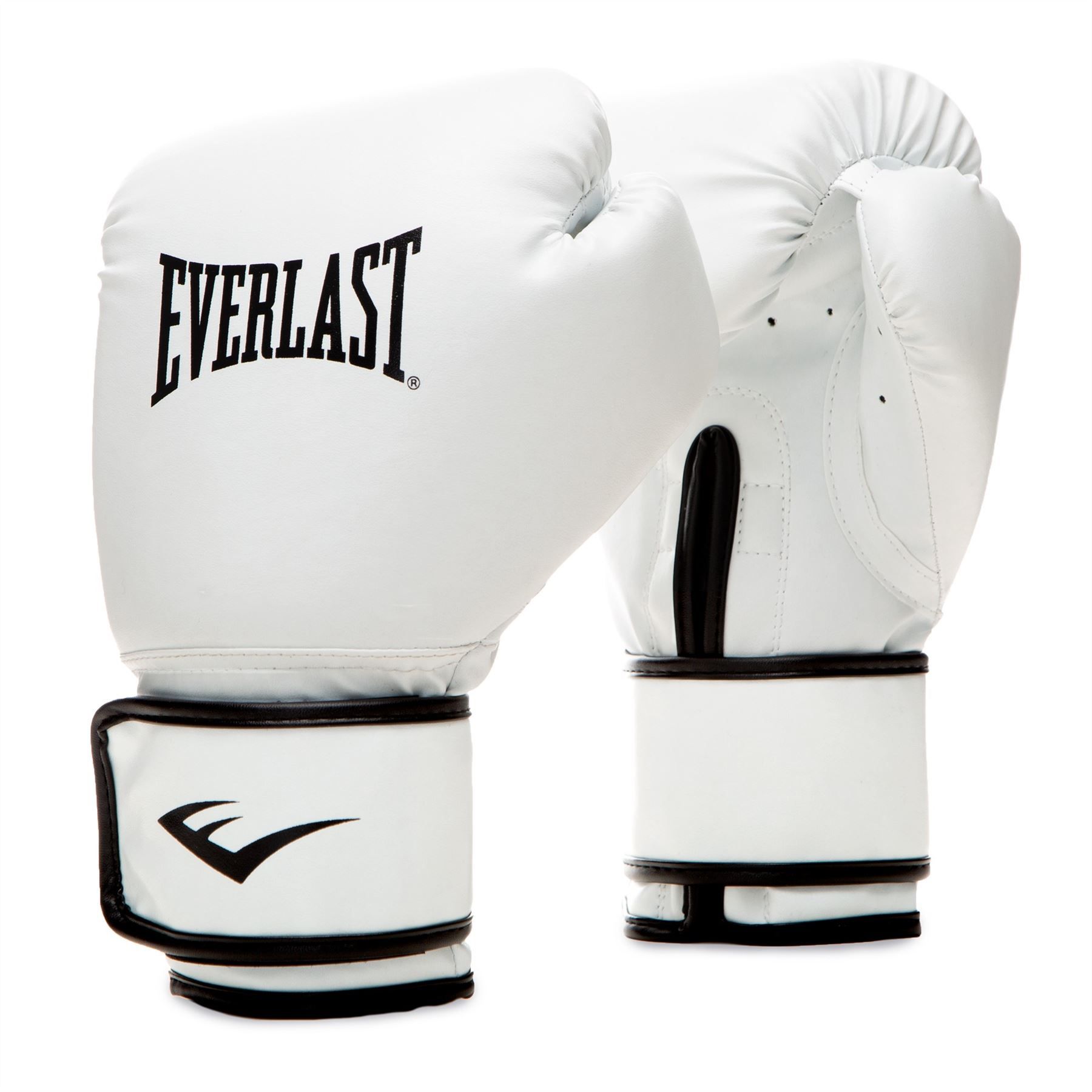
What size boxing gloves should i buy if I want comfort, safety, and better punches? The right glove size depends on your body weight, hand fit, and training goal. Choose well and you will avoid sore wrists, cramped hands, and gloves that slide during combinations.
Before you decide, it helps to browse a boxing gear store to compare glove weights, padding styles, and brand-specific fits. Sizing charts are useful, however real-world feel matters too.
What size boxing gloves should i buy based on fit and purpose?
Boxing glove “size” usually means weight in ounces (oz), not small or large. More ounces means more padding, which changes impact, fatigue, and protection. Therefore, you should pick a glove weight and match it to your training type.
Why glove size matters for safety and performance
A glove that is too light can lead to sore knuckles and wrist strain. A glove that is too heavy can slow your punches and tire your arms. Additionally, sparring partners expect enough padding to reduce cumulative impact.
Glove sizing chart by body weight (quick starting point)
Use this as a baseline for boxing glove sizing. Then adjust for sparring, bag work, or pads.
-
Under 120 lbs: 8oz to 10oz
-
120–150 lbs: 10oz to 12oz
-
150–180 lbs: 12oz to 14oz
-
180–200 lbs: 14oz to 16oz
-
Over 200 lbs: 16oz or heavier
Two people can weigh the same but need different ounces. For example, sparring usually requires heavier gloves than mitts.
10oz vs 12oz vs 14oz vs 16oz boxing gloves explained
If you are comparing 10oz, 12oz, 14oz, and 16oz boxing gloves, focus on padding and intended use. This is often the deciding factor when people ask, “what size boxing gloves should i buy?”
10oz gloves
Best for speed-focused training and many competition settings (rules vary). Advanced athletes also use 10oz for fast bag work, but protection is lower.
12oz gloves
A popular all-around option for lighter athletes. Good for technique drills, mitt work, and light bag sessions where you still want some cushioning.
14oz gloves
Often the “sweet spot” for general training. You get solid padding for bags and controlled sparring, while keeping decent hand speed.
16oz gloves
The common gym standard for sparring because it protects you and your partner. It also works for heavy bag training if you want extra hand protection.
Choosing gloves for sparring vs bag work vs pads vs competition
Many fighters eventually own two pairs. That way, each glove matches the job.
-
Sparring: Size up for more padding and safer rounds.
-
Heavy bag: Mid-to-heavy ounces help protect knuckles and wrists.
-
Pad and mitt work: Lighter gloves feel faster and sharper.
-
Competition: Usually 8oz or 10oz, depending on the rules.
If you want a deeper breakdown of training styles, see this guide on choosing the right boxing gloves for training.
Hand size, glove fit, and wraps (the details people miss)
Ounces tell you padding, but hand circumference and glove shape determine fit. A tight glove can cut circulation and stop you from making a proper fist. A loose glove can let your hand shift on impact, which increases injury risk.
Check fit with hand wraps on
Hand wraps add bulk, so always test gloves while wrapped if you train that way. Otherwise, the glove may feel fine in-store and too tight later. If you need a pair, start here: hand wraps.
Brand differences and trying gloves on
Glove weight is standard, however interior sizing varies by brand. When possible, try on training gloves or check the brand’s hand-circumference chart before ordering online.
Sizing differences for kickboxing and MMA training
If you cross-train, glove selection can change slightly. Kickboxing gloves often follow similar ounce ranges, but may feel different at the wrist and thumb for clinch work. Many athletes keep separate gloves for boxing and kickboxing for better comfort and durability.
When to size up as you improve
Beginners sometimes start lighter because intensity is lower. As your volume rises, a heavier glove can protect joints and reduce hand pain. Also, if your padding feels packed down or sparring partners consistently use heavier gloves, it may be time to move up.
For a direct comparison of common training sizes, read: 12oz vs 14oz vs 16oz boxing gloves.
Custom and personalized boxing gloves
Standard ounce ranges work for most people. Still, if you already know what feels best, custom gloves let you keep the right weight while dialing in padding density and design.
Conclusion: how to pick the right glove size
So, what size boxing gloves should i buy? Start with your body weight range, then match ounces to your training style. Confirm the fit with wraps on, and size up for sparring when in doubt.
If you want personalized help choosing the best boxing glove size, contact our team before you buy.
Frequently asked questions
1.What size gloves should a beginner buy?
Most beginners do well with 12oz to 14oz for general training. If you spar often, 14oz to 16oz is common.
2.Are 16oz gloves too big for bag work?
No. 16oz works well for bag work, especially for hand protection. However, 14oz can feel faster.
3.Do boxing glove sizes differ between brands?
Yes. Ounces are consistent, but interior space and hand pockets vary. Check brand sizing charts.
4.Can I use the same gloves for sparring and bag work?
Yes, but choose a sparring-safe size (often 16oz). It will also protect your hands on the bag.
5.What glove size do professional boxers use in competition?
Most bouts use 8oz or 10oz gloves, depending on weight class and sanctioning body rules.