
Introduction
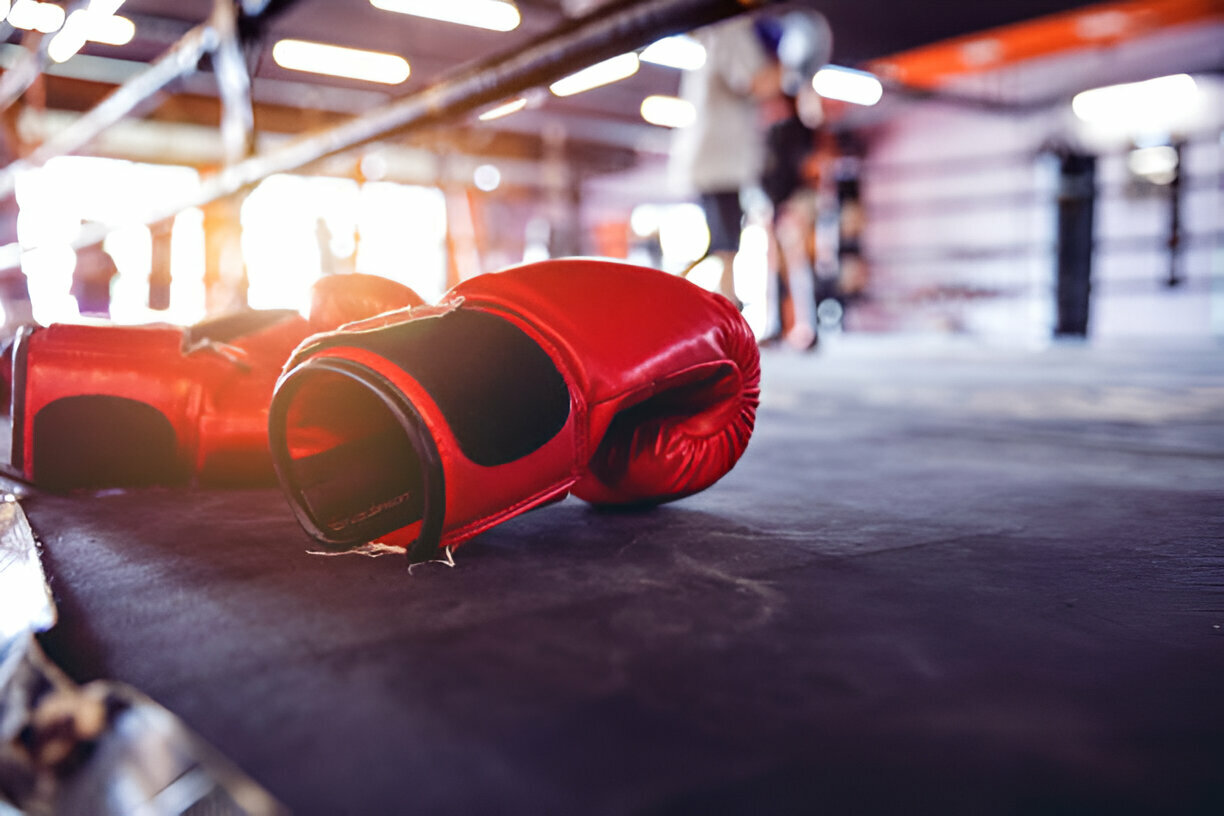
Boxing gloves are specialized padded mitts worn by boxers during training sessions and bouts. Their primary function is to protect the hands from injuries while delivering powerful punches. Here's why boxing gloves are indispensable:
- Hand Protection: The human hand contains numerous small joints and bones that are vulnerable to fractures. Boxing gloves cushion the impact, reducing the risk of hand injuries.
- Injury Prevention: Besides safeguarding the wearer's hands, gloves also minimize the risk of injuries to sparring partners by dissipating the force of punches.
Protecting your hands is paramount in boxing, not just for safety but also for career longevity. Whether you're an amateur in training or a professional in the ring, the right pair of boxing gloves is a critical piece of equipment. By understanding their importance, you ensure that each punch thrown is as safe as it is strong.
To maximize hand protection and injury prevention, it's essential todiscover a range of boxing gloves suited for various levels and styles. These gloves prioritize safety without compromising on performance, making them an ideal choice for both amateurs and professionals alike.
The Different Types of Boxing Gloves
When you start boxing, you'll come across different kinds of gloves. Each type is made for specific training purposes and boxing techniques. Here are the main categories:
- Sparring Gloves: These gloves are specially designed to protect both you and your sparring partner. They have extra padding that absorbs impact well, keeping you safe during practice fights.
- Bag Gloves: These gloves are mainly used for hitting heavy bags, focus mitts, and pads. They are lighter and have less padding compared to other gloves, which helps improve the speed and feedback of your punches.
Sparring Gloves vs. Bag Gloves: A Comparison
The main differences between sparring gloves and bag gloves can be seen in their design and padding:
- Design: Sparring gloves have weight evenly distributed across the glove to provide protection for both fighters. Bag gloves usually have a sleeker design with less bulk.
- Padding: Sparring gloves have thicker cushioning to spread out the impact of punches, while bag gloves may have denser padding to promote proper punching technique.
The Debate Over Bare-Knuckle Boxing
Bare-knuckle boxing is a topic of discussion when it comes to safety because there are no gloves involved. Some people argue that it allows for more natural hand movement and technique, but gloves are important for managing hand injuries by offering necessary protection against fractures and cuts.
Keeping Your Fingers and Wrists Safe
Good boxing gloves should do more than just cushion your punches—they should also provide support for your fingers and wrists to prevent common injuries like sprains or fractures. Here are some features to look for in your next pair:
- Finger Joint Protection: High-quality foam that molds around each finger joint.
- Wrist Support: A secure wrist strap or extra padding that keeps your wrist stable upon impact.
Choosing the right type of gloves not only improves your performance but also gives your hands the protection they need in this physically demanding sport.
Boxing Gloves: Care, Maintenance, and Longevity
Proper care and maintenance of boxing gloves are essential to prolong their lifespan and ensure safety during use. Cleaning boxing gloves after each training session is crucial to prevent the accumulation of bacteria and avoid unpleasant odors that can arise from sweat build-up.
Cleaning Your Boxing Gloves
Importance of Regular Cleaning
Boxing gloves are breeding grounds for bacteria due to the moisture from perspiration. If left uncleaned, this can lead to skin infections and a shorter glove lifespan due to material degradation.
Step-by-Step Cleaning Guide
1. Wipe Down the Exterior
- Use a damp cloth to gently wipe off any dirt or sweat from the outer surface of your gloves.
2. Interior Cleaning
- Turn the gloves inside out if possible, or use a glove-specific cleaner designed to reach into the crevices.
- Apply a small amount of mild soap on a damp cloth and clean the lining carefully.
3. Apply Deodorizing Agent
- To keep your gloves fresh, sprinkle some baking soda inside them or use a spray deodorizer designed for sports equipment.
- Use these agents sparingly to avoid creating a buildup of residue inside your gloves.
4. Air Dry Thoroughly
- After cleaning, ensure that your gloves are completely dry before storing them.
- Leave them in an open area with good air circulation, away from direct sunlight and heat sources which may damage the material.
The drying process is just as crucial as the cleaning itself. Proper drying prevents mold growth and maintains glove integrity by ensuring that no trapped moisture is left inside, which could compromise both comfort and protection.
Other Maintenance Practices for Prolonging Glove Lifespan
Beyond just cleaning, there are additional maintenance steps you can take:
- Use Disinfectant Sprays: Regularly applying disinfectant sprays after cleaning helps eliminate any lingering bacteria.
- Air Out After Use: Never store your gloves immediately post-training; instead, allow them to air out properly to dissipate moisture.
- Leather Conditioning (for leather boxing gloves):
- Select a quality leather conditioner – one that has positive reviews from users and is suitable for sports equipment.
- Apply a small amount following manufacturer instructions to maintain the leather's suppleness and prevent cracking.
- Glove Dogs for Moisture Absorption: Consider using glove dogs, which are moisture-absorbing products designed specifically for boxing gloves. They help maintain glove shape and absorb excess moisture when not in use.
Maintaining your boxing gloves through regular cleaning and conditioning ensures they remain hygienic, comfortable, and protective over time. Remember that well-cared-for equipment is key to an effective and safe boxing experience.
Other Maintenance Practices for Prolonging Glove Lifespan
Aside from routine cleaning, caring for boxing gloves requires additional steps to ensure their longevity and maintain hygiene standards. Here are some key areas to focus on:
Preventing Bacterial Growth
After each boxing session, it's recommended to use disinfectant sprays specifically designed for sports equipment. This practice not only kills bacteria but also helps eliminate unpleasant odors. Brands like Clear Gear or Vapor Fresh offer effective and safe sprays that won't damage the material of your gloves.
Airing Out the Gloves
Post-use, let your gloves air dry in a well-ventilated area. This step is crucial for moisture absorption and preventing bacterial growth. Avoid storing your gloves in dark, damp places like gym bags or lockers immediately after use.
Leather Conditioning
For leather boxing gloves, periodic conditioning is vital in maintaining a supple surface and preventing cracking. Leather conditioners such as Bickmore Bick 4 or Leather Honey provide nourishment to the leather, keeping it flexible and durable.
Remember, glove maintenance isn't just about cleanliness— it's about extending the life of your investment. By incorporating these practices into your routine, you're ensuring that your gloves remain in top-notch condition for many successful boxing sessions to come.
Choosing the Perfect Fit: A Guide to Selecting Boxing Gloves
Selecting the right pair of boxing gloves is not just about looks; it's an important choice that impacts how comfortable you feel, how well you perform, and how safe you are. Here are some important things to think about when choosing boxing gloves:
Purpose
Figure out what you'll mainly be using the gloves for. Are they for:
- Sparring Gloves: These gloves have extra padding to keep both you and your partner safe during practice fights.
- Bag Gloves: These gloves are usually lighter with less padding, made for punching bags, pads, and speed training.
Weight and Fit
- Gloves are measured in ounces (oz). The right weight depends on your body weight and the type of training you'll be doing.
- It's crucial that your gloves fit well. They should feel snug but not too tight, so you can still wear hand wraps comfortably without cutting off circulation.
Getting Advice from a Trainer
- Talking to a professional trainer can be really helpful. They can look at:
- How big or small your hands are.
- Your boxing style and technique.
- Glove options that would work best for you.
Cost Range of Boxing Gloves
- Prices for boxing gloves can vary a lot depending on the brand, the quality of materials used, and how fancy the design is.
- High-end leather gloves often last longer and provide better support for your wrists, but they also come with a higher price tag.
- Synthetic options are usually more affordable and great for beginners or people who don't want to spend too much money.
When you're thinking about how much to spend on gloves, try to balance quality with cost. Think about how long the gloves will last and if they'll still be good for your training in the future. Sometimes it's worth paying a bit more upfront for gloves that will protect you better and save you money in the long run because you won't have to replace them as often.
Just remember, picking the right boxing gloves is something you should always take seriously—it's a really important part of your whole boxing experience.
The Evolution of Boxing Gloves: From Ancient Times to Modern Innovations
The history of boxing gloves is as rich and varied as the sport itself. The earliest evidence of boxing gloves dates back to Ancient Greece, where fighters wrapped their hands in leather straps for protection. These basic gloves, called himantes, were created to strengthen the knuckles while keeping the fingers mobile.
Ancient Beginnings
- Ancient Greece: Leather hand wrappings provided minimal protection.
- Roman Gladiators: Added metal studs and spikes, turning gloves into weapons.
Moving from ancient times to the 17th century, bare-knuckle boxing was common in Great Britain; however, it wasn't until the late 19th century that padded gloves became a standard part of the sport. This change was largely influenced by the Marquess of Queensberry Rules, which required the use of gloves in matches to reduce injuries and deaths.
The Queensberry Influence
- 1867: Introduction of Marquess of Queensberry Rules promoting glove usage.
- Padding innovation: Horsehair and cotton were common materials for cushioning impacts.
As boxing became more popular in the 20th century, improvements in design and technology resulted in significant enhancements in safety and comfort. Manufacturers tried out different padding materials and shapes to improve performance and hand protection.
Modern Advancements
- Material evolution: Transition from horsehair to foam padding.
- Design refinement: Ergonomic shapes for better fist alignment and shock absorption.
Today's boxing gloves are a testament to this ongoing evolution, incorporating high-tech materials like gel for impact distribution and wrist support systems that protect against sprains. Safety regulations ensure that competition gloves meet specific standards, balancing a fighter's offensive capabilities with defensive needs.
Recent Innovations
- High-tech materials: Use of gel and advanced foam technologies.
- Safety standards: Regulations enforcing consistent quality across competitive gear.
As you think about the role of boxing gloves in both training and competition, understanding their development over centuries highlights their importance in the sport. With each new version, manufacturers aim to provide boxers with tools that improve performance while prioritizing safety – a tradition that continues to shape the future of boxing equipment.
Conclusion
Boxing gloves are essential for protecting boxers' hands and preventing injuries. They have been designed with great attention to detail and infused with advanced technology, reflecting centuries of safety improvements. Whether you're training or competing, it's important to recognize the value of these crucial pieces of equipment:
- Hand Protection: Boxing gloves provide cushioning and support, reducing the risk of fractures, sprains, and other hand injuries.
- Proper Care: Regularly cleaning and maintaining your gloves will help them last longer and remain dependable throughout your boxing journey.
- Appropriate Selection: Choosing gloves that are suitable for your specific activities—such as sparring, bag work, or competition—can enhance your performance while minimizing the chance of injury.
Embrace the craftsmanship and protective qualities of high-quality boxing gloves. Experience a blend of comfort and superior protection tailored to meet the rigorous demands of the sport.
Discover our curated selection of boxing gloves. Elevate your training and fighting experience—where every punch is cushioned with confidence.
FAQs (Frequently Asked Questions)
What are the different types of boxing gloves?
The different types of boxing gloves include sparring gloves, bag gloves, and competition gloves. Each type serves a specific purpose in training and fights.
How should I clean my boxing gloves?
It is important to clean your boxing gloves after each session to prevent bacterial buildup and unpleasant odors. You can wipe down the exterior with a damp cloth and use deodorizing agents sparingly. It is also crucial to allow sufficient drying time before storing the gloves.
What are some maintenance practices for prolonging glove lifespan?
In addition to cleaning, other maintenance practices for prolonging glove lifespan include using disinfectant sprays, airing out the gloves post-use, and periodic leather conditioning to prevent cracking and maintain a supple leather surface.
What factors should I consider when choosing boxing gloves?
When choosing boxing gloves, it is important to consider factors such as purpose, weight, fit, and seeking professional trainer guidance to ensure appropriate glove selection for optimal performance and safety. Additionally, it is essential to balance quality with cost by understanding the price range for boxing gloves and making informed decisions based on budget constraints.
Are there any FAQs about boxing gloves that are commonly asked?
Yes, common questions about boxing gloves include inquiries about fingerless boxing gloves, whether boxing gloves make punches harder, the necessity of gloves for punching bags, the preferred ounce of gloves used by boxers, and the ideal tightness of boxing gloves.
What is the history of boxing gloves?
The history of boxing gloves traces the fascinating journey of design and technology throughout history, from ancient times to modern innovations. The development of boxing gloves can be traced back to ancient civilizations, where fighters would wrap their hands in leather straps or animal hides for protection. However, it was not until the 18th century that the modern concept of padded boxing gloves emerged. These early gloves were still quite minimal in terms of padding and resembled more like a hybrid between knuckle protectors and gloves. It wasn't until the Marquess of Queensberry rules were introduced in the 19th century that gloves became a mandatory part of boxing equipment. These rules aimed to make the sport safer by enforcing the use of gloves and setting specific weight categories for each bout. Since then, there have been numerous advancements in glove design and technology, with modern gloves incorporating layers of foam padding to absorb impact and protect fighters' hands from injuries.
When choosing boxing gloves, you may have many questions and misconceptions. Here, we aim to answer some of the most common ones.
Do boxing gloves make punches harder?
Boxing gloves are designed to protect both the person throwing the punch and the receiver, contrary to what some may think. They spread out the force across a larger area, which can actually reduce the impact of each strike compared to bare-fisted punches.
Are fingerless boxing gloves good for training?
Fingerless gloves, also known as MMA gloves, have less padding than traditional boxing gloves. They're mainly used in mixed martial arts for grappling techniques and are not recommended for regular boxing as they provide limited hand protection.
Is it safe to box without gloves?
Boxing without gloves or engaging in "bare-knuckle boxing" significantly raises the chances of hand injuries. Gloves absorb some of the impact, keeping your hands safe and preventing serious harm to your opponent's body.
Do you need gloves for a punching bag? Absolutely, using gloves when hitting a punching bag is essential. They shield your hands from the repetitive force of impact. Without proper protection, you run the risk of bruising or fracturing your knuckles over time.
What weight gloves do boxers use?
The weight of gloves worn by boxers varies depending on the type of training or competition:
- For bag work: 10-16 oz
- For sparring: 16-20 oz
- In professional fights: 8-10 oz
Should boxing gloves be tight?
A well-fitting glove should be snug but not constricting. It should allow room for hand wraps underneath while preventing excessive movement that could lead to injury. The glove should also fasten securely around your wrist to provide support without cutting off circulation.
By addressing these questions, we ensure that you approach your boxing training with a solid understanding of how to choose and use your gloves properly.
Stay ahead of the ring! Subscribe to our newsletter for the latest insights and updates on boxing weight classes and much more. Join Boxing Royale today!