
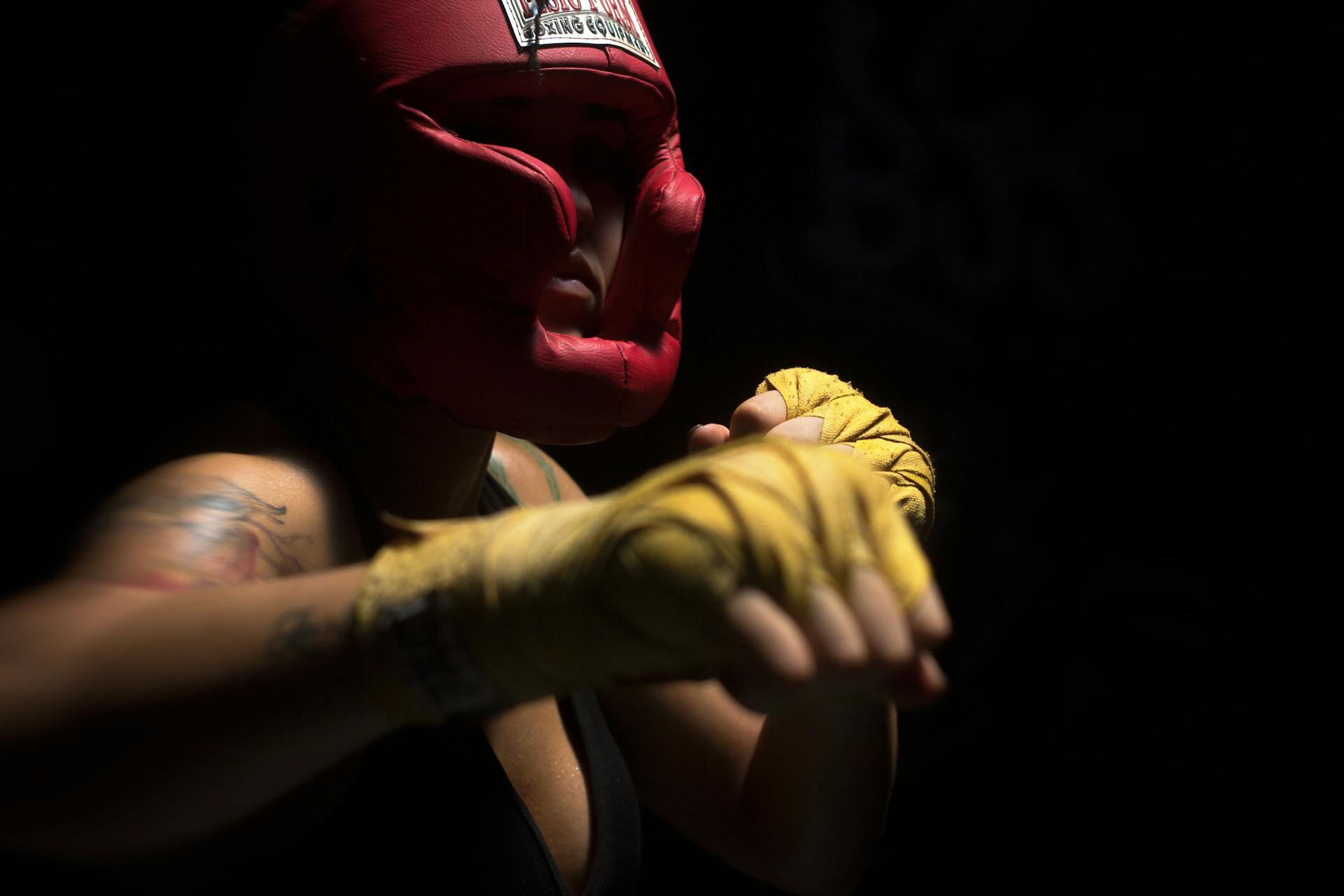
Achieving the physique of a professional boxer requires dedication, discipline, and a well-rounded training regimen. Boxers are renowned for their powerful, lean, and agile bodies, which are the result of a combination of strength training, cardiovascular workouts, skill drills, and a strict diet. In this blog, we'll explore the essential components of boxing training, provide a sample workout plan, and highlight the routines of some famous boxers to inspire you on your fitness journey.
1. Cardiovascular Conditioning
Cardio is the cornerstone of boxing training. Boxers need to have excellent endurance to go the distance in the ring. Incorporate a mix of steady-state and high-intensity interval training (HIIT) to improve your cardiovascular fitness.
Steady-State Cardio
Running, cycling, or swimming for 30-60 minutes at a moderate pace helps build endurance. Roadwork, traditionally done by boxers, involves long runs at a steady pace to enhance stamina.
HIIT Workouts
Short bursts of intense activity followed by brief recovery periods are perfect for building stamina and mimicking the high-energy demands of a boxing match. Sprinting, circuit training, and jump rope intervals are common HIIT methods used by boxers.
2. Strength Training
Strength training is crucial for boxers to develop power and resilience. Focus on compound movements that engage multiple muscle groups.
Weight Training
Incorporate exercises like deadlifts, squats, bench presses, and pull-ups to build overall strength. Using free weights, resistance bands, and bodyweight exercises can help improve functional strength crucial for boxing.
Bodyweight Exercises
Push-ups, pull-ups, dips, and planks are excellent for building functional strength and core stability. Plyometric exercises such as box jumps and medicine ball throws help develop explosive power.
3. Skill Drills
Boxing is as much about skill as it is about physical conditioning. Practice the fundamentals of boxing regularly to hone your technique.
Shadow Boxing
This helps improve your form, footwork, and speed without the need for a partner. It's a versatile exercise that can be done almost anywhere and is essential for practicing combinations and movement.
Heavy Bag Training
Develop your power and precision by practicing combinations on a heavy bag. Heavy bag workouts also help improve cardiovascular endurance and muscle endurance.
Speed Bag Training
Enhance your hand-eye coordination and timing with a speed bag. Speed bag workouts are excellent for improving rhythm and hand speed.
4. Sparring
Sparring is where you put your skills to the test. It’s an essential part of boxing training that helps you adapt to real fight scenarios.
Light Sparring
Start with light sparring sessions to build confidence and improve your defensive skills. Focus on technique, movement, and strategy without going full force.
Intense Sparring
Gradually increase the intensity to simulate the conditions of an actual fight. Intense sparring helps you practice under pressure and conditions you for the physical demands of a match.
5. Nutrition
A boxer’s diet is critical to maintaining energy levels, promoting recovery, and achieving a lean physique.
Balanced Diet
Focus on a diet rich in lean proteins, complex carbohydrates, healthy fats, and plenty of fruits and vegetables. Protein sources include lean meats, fish, eggs, and plant-based options like beans and lentils. Complex carbohydrates like whole grains, fruits, and vegetables provide sustained energy.
Hydration
Stay well-hydrated to ensure optimal performance and recovery. Drink plenty of water throughout the day and consider electrolyte drinks during intense training sessions.
Famous Boxers and Their Training Regimens
Muhammad Ali
Known for his incredible speed and agility, Ali’s training routine included long-distance running, intense sparring sessions, and a focus on footwork drills. He famously said, "I hated every minute of training, but I said, ‘Don’t quit. Suffer now and live the rest of your life as a champion.’" Ali's workouts emphasized endurance, agility, and quick reflexes.
Mike Tyson
Tyson’s training was brutal and included a mix of heavy bag work, sparring, and strength training. His routine was designed to build explosive power and intimidating strength. Tyson’s dedication to his training made him one of the most feared fighters in boxing history. His regimen included early morning runs, rigorous sparring, and intensive strength training.
Floyd Mayweather Jr.
Mayweather is renowned for his impeccable defense and endurance. His training regimen includes extensive roadwork, pad work, heavy bag training, and bodyweight exercises. Mayweather’s commitment to staying in shape year-round has kept him at the top of the sport for decades. His disciplined approach to both training and nutrition has contributed to his longevity in the sport.
Essential Equipment for Boxing Training
Investing in the right equipment is crucial for effective training. Here are some must-have items:
- Boxing Gloves: Choose from a variety of gloves, including Everlast gloves and genuine leather gloves.
- Fitness Equipment: Incorporate fitness equipment like jump ropes and resistance bands to enhance your workouts.
- Professional Boxing Gloves: For those who are serious about their training.
- Coaching Equipment: Essential for sparring and technique improvement.
- Custom-Personalized Boxing Gloves: Add a personal touch to your training gear.
- Kickboxing Gloves: Great for those who incorporate kickboxing into their training.
- MMA Gloves: Useful for cross-training in mixed martial arts.
Sample Boxing Workout Plan
Here's a comprehensive boxing workout plan that covers all essential aspects of training:
Monday: Cardio and Strength Training
- Warm-up: 10 minutes jump rope
- Steady-State Cardio: 30 minutes running at a moderate pace
- Strength Training:
- Deadlifts: 4 sets of 8 reps
- Bench Press: 4 sets of 8 reps
- Pull-Ups: 3 sets of 10 reps
- Planks: 3 sets of 1 minute
- Cool-down: 10 minutes stretching
Tuesday: Skill Drills and Sparring
- Warm-up: 10 minutes shadow boxing
- Heavy Bag Work: 5 rounds of 3 minutes, 1-minute rest between rounds
- Speed Bag Training: 3 rounds of 3 minutes
- Light Sparring: 4 rounds of 3 minutes, focus on technique
- Cool-down: 10 minutes stretching
Wednesday: HIIT and Bodyweight Exercises
- Warm-up: 10 minutes jump rope
- HIIT Circuit: 4 rounds of the following (30 seconds work, 30 seconds rest)
- Sprinting
- Burpees
- Medicine Ball Slams
- Box Jumps
- Bodyweight Exercises:
- Push-Ups: 4 sets of 15 reps
- Dips: 3 sets of 12 reps
- Russian Twists: 3 sets of 20 reps
- Cool-down: 10 minutes stretching
Thursday: Cardio and Strength Training
- Warm-up: 10 minutes shadow boxing
- Steady-State Cardio: 30 minutes cycling
- Strength Training:
- Squats: 4 sets of 8 reps
- Overhead Press: 4 sets of 8 reps
- Bent Over Rows: 3 sets of 10 reps
- Side Planks: 3 sets of 1 minute each side
- Cool-down: 10 minutes stretching
Friday: Skill Drills and Sparring
- Warm-up: 10 minutes jump rope
- Heavy Bag Work: 6 rounds of 3 minutes, 1-minute rest between rounds
- Focus Mitt Work: 4 rounds of 3 minutes
- Intense Sparring: 6 rounds of 3 minutes
- Cool-down: 10 minutes stretching
Saturday: Active Recovery
- Light jogging or swimming: 30 minutes
- Yoga or Pilates: 1 hour session
- Foam rolling and stretching: 30 minutes
Sunday: Rest Day
- Complete rest or light activity like walking
FAQs
1. How often should I train to get a body like a boxer?
Consistency is key. Aim for at least 5-6 days of training per week, incorporating a mix of cardio, strength training, and skill drills. Ensure you have one rest day for recovery.
2. Do I need a personal trainer to train like a boxer?
While having a personal trainer can be beneficial, it's not mandatory. Many resources, including online tutorials and workout plans, can guide you. However, if you’re serious about boxing, a trainer can provide personalized guidance and feedback.
3. Can I train like a boxer at home?
Yes, many aspects of boxing training can be done at home, including shadow boxing, bodyweight exercises, and jump rope. Investing in a heavy bag and boxing gloves can enhance your home workouts.
4. What should I eat to get a body like a boxer?
Focus on a balanced diet rich in lean proteins, complex carbohydrates, and healthy fats. Stay hydrated and avoid processed foods. Consider consulting a nutritionist for a tailored diet plan.
5. How long will it take to see results?
This varies based on your starting fitness level and commitment to training. With consistent effort, you can start seeing improvements in strength, endurance, and physique within a few weeks.
Conclusion
Training to get a body like a boxer is no small feat, but with dedication and the right approach, it’s achievable. By combining cardiovascular conditioning, strength training, skill drills, and proper nutrition, you can build a physique that not only looks impressive but is also highly functional. Take inspiration from legendary boxers and their rigorous training routines, and equip yourself with the best gear to maximize your training efforts.
Ready to start your boxing journey? Check out Boxing Royale for all your boxing needs, from customized boxing gloves to kickboxing gloves and MMA gloves.
By following the steps outlined in this guide and incorporating the sample workout plan, you'll be well on your way to achieving the powerful, lean, and agile body of a boxer. Stay dedicated, train smart, and remember that consistency is key to your success.
Stay ahead of the ring! Subscribe to our newsletter for the latest insights and updates on boxing weight classes and much more. Join Boxing Royale today!