
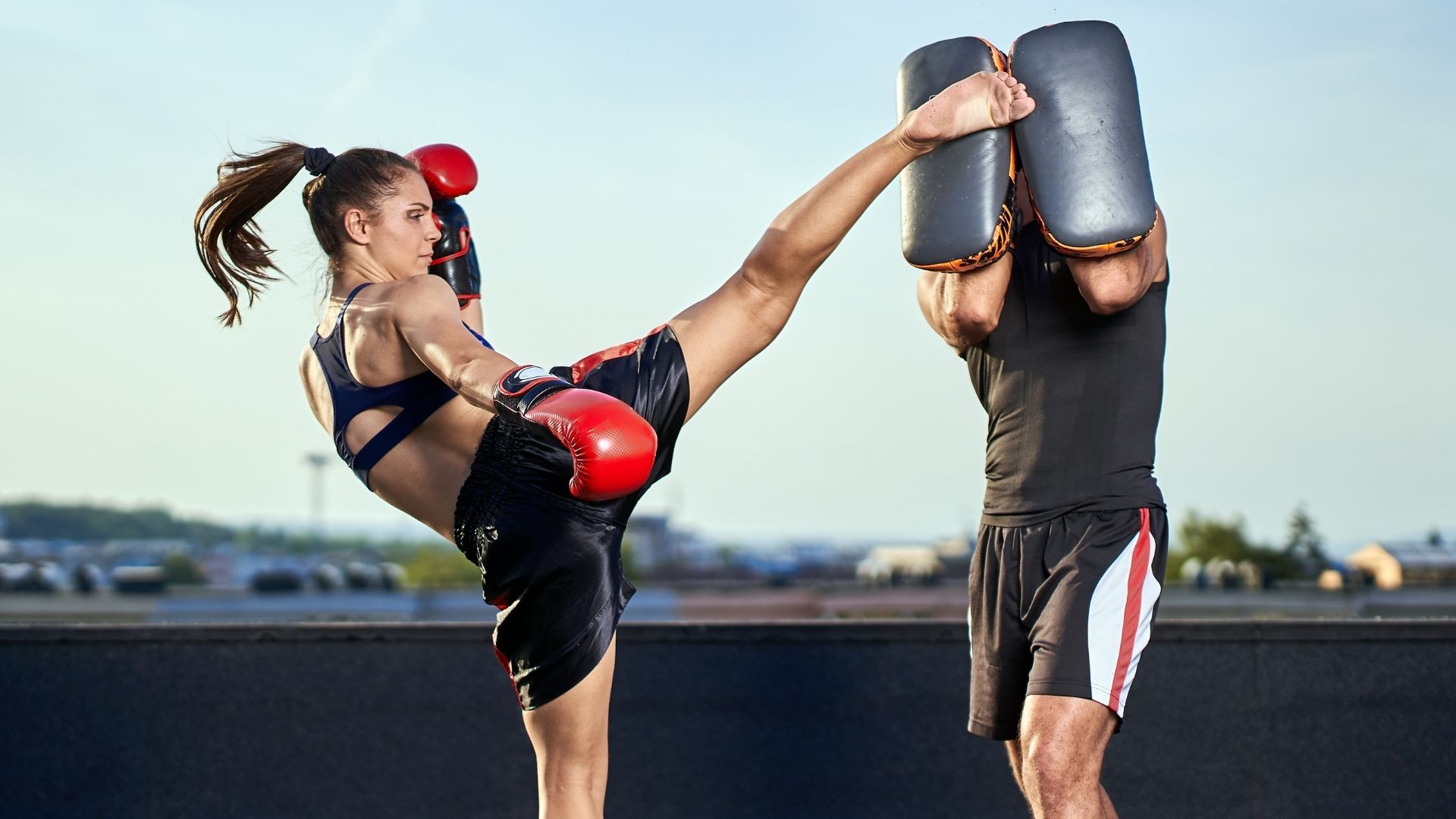
Boxing and kickboxing are two popular combat sports that have captivated audiences worldwide with their intensity, skill, and athleticism. While they share some similarities, they also have distinct differences that set them apart. In this blog, we'll delve into the key aspects of both sports, compare their training regimes, benefits, and equipment, and help you decide which might be the best fit for you. We'll also answer some frequently asked questions to give you a complete understanding of these two dynamic sports.
The Basics of Boxing
Boxing is a combat sport in which two participants, usually wearing protective gloves, throw punches at each other for a predetermined amount of time in a boxing ring. The primary objective is to knock out the opponent or score points through clean, powerful punches.
Key Techniques:
- Jabs: Quick, straight punches aimed at the opponent’s face or body.
- Hooks: Powerful, curved punches targeting the side of the opponent's head or body.
- Uppercuts: Upward punches aimed at the opponent's chin.
- Crosses: Straight punches thrown with the rear hand, often used for power.
The Basics of Kickboxing
Kickboxing is a martial art that incorporates techniques from boxing and karate, including punches and kicks. It is a versatile sport that can be practiced for self-defense, general fitness, or as a competitive sport.
Key Techniques:
- Jabs and Crosses: Similar to boxing, these are fundamental punches.
- Roundhouse Kicks: Powerful, swinging kicks aimed at the opponent’s midsection or head.
- Front Kicks: Straight kicks aimed at the opponent's torso.
- Knees and Elbows: Close-range strikes often used in clinch situations.
Training Regimens: Boxing vs. Kickboxing
Boxing Training:
- Cardiovascular Conditioning: Running, jump rope, and HIIT workouts to build stamina.
- Strength Training: Weightlifting and bodyweight exercises to build muscle and power.
- Skill Drills: Shadow boxing, heavy bag work, and sparring to hone technique.
- Focus on Footwork: Developing quick and agile footwork is crucial for defense and offense.
Kickboxing Training:
- Cardiovascular Conditioning: Similar to boxing, with an emphasis on endurance.
- Strength and Flexibility: Weightlifting, bodyweight exercises, and stretching to improve power and range of motion.
- Skill Drills: Practicing punches, kicks, knees, and elbows on pads and bags.
- Combining Techniques: Learning to seamlessly transition between punches and kicks.
Benefits of Boxing and Kickboxing
Benefits of Boxing:
- Improved Cardiovascular Health: The intense cardio workouts boost heart health.
- Enhanced Coordination and Agility: Footwork and hand-eye coordination are constantly practiced.
- Stress Relief: Hitting a bag or sparring can be a great way to release stress.
- Increased Strength and Power: Regular training builds muscle and power, especially in the upper body.
Benefits of Kickboxing:
- Full-Body Workout: Combines upper and lower body movements for a comprehensive workout.
- Improved Flexibility: The kicking techniques require and build flexibility.
- Self-Defense Skills: Incorporates a wider range of techniques useful in self-defense situations.
- Enhanced Balance: Balancing on one leg while kicking improves overall stability and balance.
Equipment Needed for Boxing and Kickboxing
Boxing Equipment:
- Boxing Gloves: Choose from various sizes, including 16oz and 14oz options.
- Heavy Bag: Essential for power and technique training.
- Speed Bag: Improves hand-eye coordination and timing.
- Professional Boxing Gloves: For competitive training.
- Genuine Leather Gloves: Durable and comfortable for extensive training.
Kickboxing Equipment:
- Kickboxing Gloves: Designed to accommodate both punching and kicking.
- Shin Guards: Protects the shins during kicking.
- Mouthguard: Essential for sparring to protect teeth and jaws.
- Fitness Equipment: Like jump ropes and resistance bands to enhance overall fitness.
Comparing Boxing and Kickboxing Techniques
Offensive Techniques:
- Boxing: Focuses solely on punches. Techniques like the jab, cross, hook, and uppercut are fundamental.
- Kickboxing: Combines punches and kicks. Techniques include jabs, crosses, hooks, roundhouse kicks, and front kicks.
Defensive Techniques:
- Boxing: Emphasizes head movement, footwork, and blocking to evade punches.
- Kickboxing: Utilizes similar defensive techniques as boxing, with added methods to block or evade kicks.
Footwork:
- Boxing: Agile footwork is crucial for both offense and defense. Boxers constantly move to create angles and avoid punches.
- Kickboxing: Footwork is equally important, but practitioners also need to position themselves to throw effective kicks.
Choosing Between Boxing and Kickboxing
Choose Boxing If:
- You Enjoy Focusing on Upper Body Strength and Techniques: Boxing is primarily centered around upper body movements. It emphasizes powerful punches, such as jabs, hooks, crosses, and uppercuts, which build significant strength in your arms, shoulders, and chest. If you love the idea of developing knockout power and precision in your punches, boxing is the ideal choice.
- You Prefer a Sport with a Rich History and Established Competitive Scene: Boxing boasts a storied history, with legendary figures like Muhammad Ali, Mike Tyson, and Floyd Mayweather Jr. leaving indelible marks on the sport. The tradition and prestige associated with boxing competitions, from amateur bouts to professional matches, offer a structured and celebrated competitive environment. If you value tradition and the thrill of a well-established competitive scene, boxing will resonate with you.
- You Want to Develop Powerful Punches and Refined Footwork: Boxing training focuses heavily on perfecting punches and footwork. Boxers learn to move swiftly and strategically, using their footwork to dodge and counterattack. This refined coordination and agility are critical for both offensive and defensive maneuvers in the ring. If your goal is to master the art of powerful, precise punches combined with agile footwork, boxing is your sport.
Choose Kickboxing If:
- You Want a Full-Body Workout that Includes Both Punches and Kicks: Kickboxing combines elements of boxing with powerful kicks from martial arts like karate and Muay Thai. This blend provides a comprehensive full-body workout, engaging your upper body with punches and your lower body with kicks. If you’re looking for a sport that challenges both your upper and lower body, improving overall strength, balance, and flexibility, kickboxing is the way to go.
- You Are Interested in Learning Self-Defense Techniques: Kickboxing offers a broader range of self-defense techniques by incorporating punches, kicks, knees, and elbows. These varied strikes can be highly effective in real-world self-defense scenarios, giving you more tools to protect yourself. If self-defense is a priority for you, the diverse techniques in kickboxing provide a robust foundation.
- You Enjoy a More Varied and Dynamic Range of Movements: Kickboxing’s dynamic nature involves constantly switching between punches, kicks, and defensive maneuvers. This variation keeps workouts exciting and engages multiple muscle groups, preventing monotony and promoting comprehensive fitness. If you thrive on dynamic, high-energy workouts and enjoy learning a wide array of techniques, kickboxing will keep you motivated and challenged.
FAQs
1. Which sport burns more calories, boxing or kickboxing?
Both sports are excellent for burning calories, but kickboxing may burn slightly more due to the incorporation of kicks and additional movements. On average, you can burn between 600-800 calories per hour with either sport, depending on the intensity of your workout.
2. Is boxing or kickboxing better for self-defense?
Kickboxing may have an edge for self-defense because it incorporates a wider range of techniques, including kicks, knees, and elbows. However, boxing also teaches effective self-defense skills, particularly in close-quarters situations.
3. Can I practice both boxing and kickboxing?
Yes, many people practice both to gain the benefits of each sport. Combining the two can provide a well-rounded skill set and improve overall fitness.
4. What type of gloves should I use for boxing and kickboxing?
For boxing, choose from a variety of boxing gloves, including Everlast gloves and genuine leather gloves. For kickboxing, kickboxing gloves are designed to accommodate both punching and kicking.
5. How often should I train in boxing or kickboxing?
Aim to train at least 3-5 times a week for noticeable results. Consistency is key in both sports, and incorporating rest days is essential for recovery.
6. What kind of fitness equipment do I need for boxing or kickboxing?
In addition to gloves and bags, consider investing in fitness equipment like jump ropes, resistance bands, and agility ladders to enhance your workouts.
Conclusion
Boxing and kickboxing are both highly effective combat sports that offer numerous physical and mental benefits. While they share some similarities, their differences provide unique challenges and rewards. Whether you choose to focus on the powerful punches of boxing or the dynamic kicks of kickboxing, you’ll be on a path to improved fitness, self-discipline, and self-defense skills.
For all your training needs, visit Boxing Royale. From customized boxing gloves to kickboxing gloves and MMA gloves, we have everything you need to excel in your chosen sport. Equip yourself with the best gear and start your journey towards becoming a skilled and powerful fighter.