
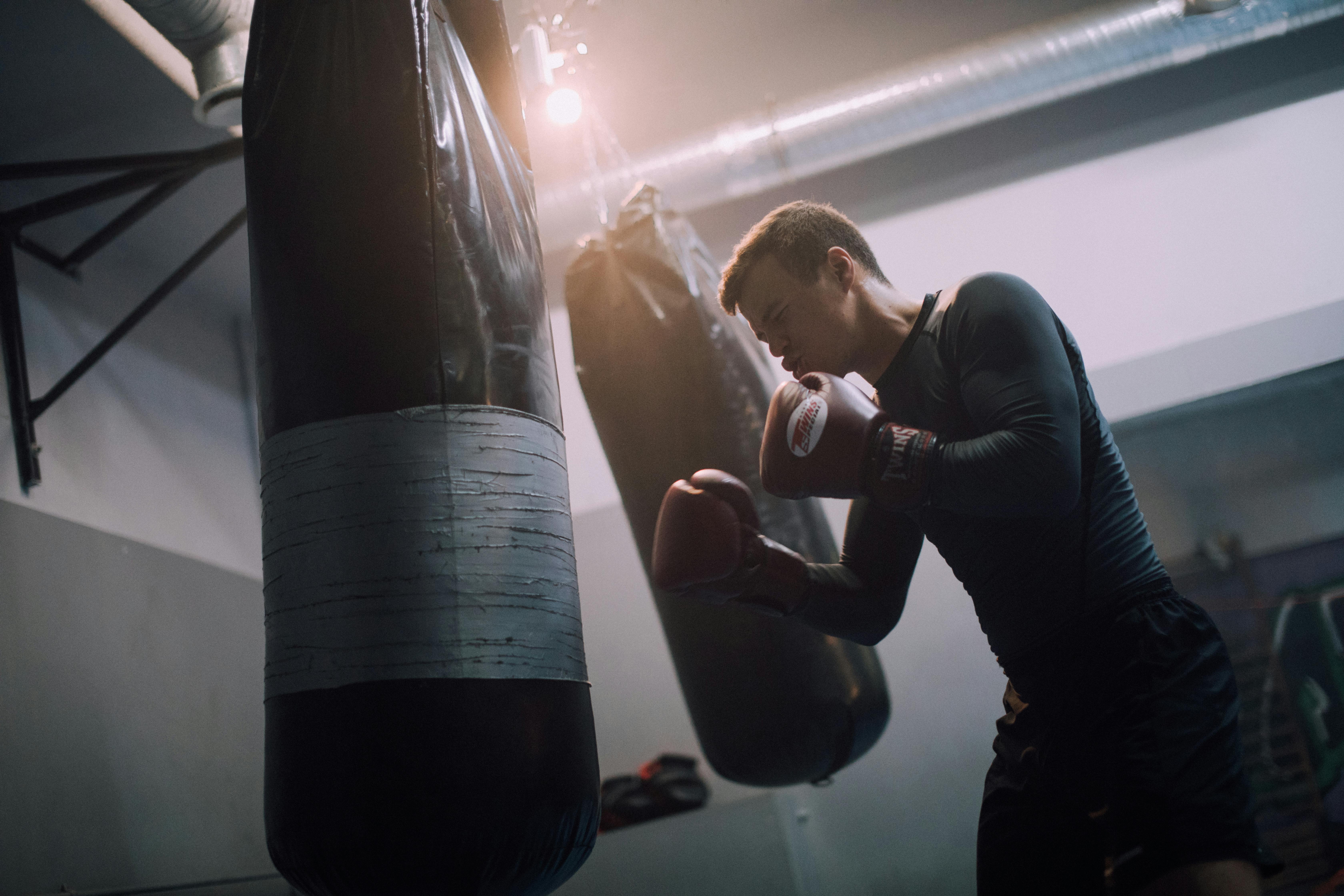
With boxing fitness taking center stage in 2025, creating a home gym setup tailored to your goals has never been more essential. Whether you're a serious boxer aiming for competitive success or a fitness enthusiast looking to stay in shape, building the perfect training environment at home requires thoughtful consideration of equipment. From boxing gloves to hand wraps and punching bags, the right gear can make all the difference in enhancing your training performance, reducing injury risk, and improving overall fitness.
This comprehensive guide will walk you through the must-have gear for a complete home boxing gym, emphasizing key equipment choices that will help you make informed decisions for your space, budget, and training needs. By focusing on hand protection, selecting the right punching bag, using coaching equipment for partner training, and offering a range of budget options, you'll learn how to build the ideal boxing setup without compromising on quality or safety.
Find the Right Pair for Your Goals
With boxing fitness on the rise in 2025, more individuals are discovering the benefits of boxing, whether for fitness or competition. Choosing the right pair of boxing gloves is crucial to maximizing your performance and preventing injuries. In this guide, we’ll explore the best options from Everlast, Hayabusa, Twins, and Fairtex to help you make an informed decision.
Everlast: Trusted by All Levels
Everlast gloves are perfect for boxers of all skill levels. Known for their affordability and durability, they offer excellent protection and comfort for training, heavy bag work, and fitness boxing. Everlast gloves provide the balance of value and performance.
Hayabusa: Premium Comfort and Support
Hayabusa gloves are designed for serious training. Their dual-strap system and advanced padding offer exceptional wrist support and impact protection, making them ideal for intense sessions, whether on the bag or during sparring.
Twins: Durability for Heavy Training
Twins Special gloves are built for durability, with thick padding that withstands rigorous bag work and sparring. They are favored by professional fighters for their superior protection and shock absorption.
Fairtex: Speed and Agility
Fairtex gloves are lightweight and provide a snug fit, making them perfect for boxers focused on speed, combinations, and quick footwork.
Why Hand Wraps Are Non-Negotiable for Hand Protection
When setting up your home boxing gym, the first piece of equipment you must include—aside from gloves—is hand wraps. Many new boxers overlook this crucial gear, but professional fighters never skip the hand wrap step. Hand wraps provide vital protection for your wrist, knuckles, and the small bones in your hands, reducing the risk of injury during intense training sessions.
How Hand Wraps Protect You
Hand wraps act as a stabilizing support system for your hand and wrist. When punching, especially on a heavy bag, the force generated can strain joints and bones. Without proper wrapping, this can lead to injuries like sprains, fractures, and bruising. The wraps help absorb shock, distribute the impact force more evenly, and keep your bones and ligaments in alignment.
Additionally, wraps create a tight fist formation that enhances your punching technique, ensuring each punch lands effectively and reducing unnecessary strain. With cotton and Mexican-style wraps available, you can choose the style that provides the right balance of compression and flexibility.
For home gyms, having at least two or three pairs of wraps ensures you're ready for training at any time, without waiting for wraps to dry or reset. Your hand protection shouldn't be an afterthought—it's essential for both safety and performance.
Choosing the Right Punching Bag and Speed Ball for Your Space and Goals
The punching bag and speed ball are essential components of a home boxing gym, but choosing the right ones depends largely on your available space and specific fitness or training goals. Here’s what to consider when selecting these items:
Punching Bags: Types and Selection Criteria
Punching bags come in various types, each serving a different purpose. The heavy bag is the most common and versatile, ideal for building strength, endurance, and improving punching technique. However, the size and mounting system depend on your space and training needs. Here’s a breakdown of popular punching bag types:
- Heavy Bags: These are great for building power and technique. Typically ranging from 40 to 100 pounds, they provide resistance to punches, forcing you to use full-body strength while practicing combinations, hooks, and uppercuts.
- Free-standing Bags: If you don't have a ceiling fixture or enough room to hang a heavy bag, a free-standing bag is a great alternative. These bags come with a base that can be filled with water or sand to provide stability. They're perfect for people living in apartments or those without a dedicated space for hanging equipment.
- Double-End Bags: These bags move and rebound, helping to develop your hand-eye coordination, defensive reflexes, and accuracy. They are typically mounted between the floor and ceiling and work great for improving timing and precision.
Speed Balls: Timing and Coordination
A speed ball is an essential tool for enhancing hand-eye coordination, rhythm, and timing. Unlike heavy bags, speed balls are smaller, lightweight, and designed to rebound quickly when struck. This rapid movement forces you to focus on quick punches and rapid reactions, making it perfect for building speed and endurance. Speed balls are often used for warm-ups or for adding variety to your boxing routine.
The size of your space will determine whether you go with a freestanding speed ball or a traditional wall-mounted version. Both have adjustable heights to match your reach and provide the perfect training tool for improving your reflexes.
Coaching Equipment for Partner Training
If you're training with a partner at home, the next essential category of equipment is coaching gear. Coaching equipment includes tools like focus mitts, Thai pads, and belly protectors—all designed to simulate real fight scenarios and enhance your technique. These items are perfect for working on combinations, defensive movements, and perfecting your punching power.
Focus Mitts
Focus mitts are lightweight, comfortable pads worn by a trainer or training partner. They provide a target for punches and allow the partner to dictate the speed and combinations of punches. Focus mitts help boxers improve accuracy, timing, and reaction speed, and they’re especially useful for combination drills. They are highly versatile and work well in small spaces since they don't require mounting or heavy equipment.
Thai Pads and Belly Protectors
Thai pads and belly protectors allow you to simulate powerful punches and body shots without risking injury. These pieces of equipment are worn by your training partner to absorb strikes while offering feedback and resistance. Thai pads are often used in kickboxing and boxing to deliver accurate strikes to the body, while belly protectors are useful for body shots and uppercut training.
Using coaching equipment is an excellent way to build a more dynamic, interactive training routine at home, especially if you’re working with a partner. It helps you develop real-time reaction skills, adjust to different types of punches, and refine your power and technique.
How to Build a Complete Training Setup at Different Budget Levels
When building a boxing gym at home, your budget will likely play a significant role in the equipment you choose. Fortunately, you can create an effective and professional-quality setup at any budget level. Here's a breakdown of what you need at various price points:
Entry-Level Boxing Setup
If you're just starting out and want to build a basic boxing gym, you don’t need to spend a fortune. The focus should be on essential items that give you a solid foundation for your training.
- Boxing Gloves: Invest in a good pair of gloves, preferably 12 oz to 14 oz for training. Brands like Everlast or Hayabusa offer affordable yet high-quality options.
- Hand Wraps: A set of durable cotton or Mexican-style hand wraps will provide protection for your hands and wrists.
- Punching Bag: A free-standing heavy bag is an affordable and space-saving option for home gyms. These bags can be used for power training, combination practice, and endurance.
- Jump Rope: A great conditioning tool to improve footwork and cardiovascular fitness.
Mid-Level Boxing Setup
If you’re looking for a more comprehensive setup to really get into boxing training, consider these items:
- Focus Mitts: For partner drills and accurate punch practice.
- Double-End Bag: Ideal for developing timing and precision in your punches.
- Speed Ball: To improve your rhythm, endurance, and reaction time.
- Wall-Mounted Heavy Bag: A more permanent solution that will help with strength and conditioning, offering resistance for harder punches.
High-End Boxing Setup
For serious boxers who want to replicate a professional gym experience at home, the high-end setup includes everything you need to perfect your training:
- Multiple Sets of Boxing Gloves: Choose gloves for different purposes, such as competition gloves and training gloves.
- Full-Sized Heavy Bag: A professional-grade heavy bag to withstand intense punching power.
- Coaching Gear: A complete set of focus mitts, Thai pads, and belly protectors to work with a training partner.
- Advanced Training Equipment: A speed ball, double-end bag, and possibly even resistance bands or punch trackers to monitor and analyze your punches for further improvement.
Conclusion
Building a home boxing gym in 2025 goes beyond just purchasing equipment—it's about creating a space that enhances your training and supports your fitness journey. Key items, like hand wraps for injury prevention, a quality punching bag, and coaching tools for partner drills, are essential to your progress. The right gear ensures safety, improves technique, and helps you reach your goals. Whether you're a beginner or a seasoned boxer, you can customize your setup to fit your space and budget. Explore our catalog for expert advice and find the perfect equipment tailored to your needs for long-term success.
FAQs
Why are hand wraps important for boxing?
Hand wraps protect your wrist, knuckles, and absorb shock, reducing the risk of injury during training or sparring.
How long do boxing gloves last?
With proper care, boxing gloves can last 1–3 years, depending on frequency of use and intensity of training.
Can I use boxing gloves for both bag work and sparring?
Yes, but for sparring, choose gloves with extra padding and support, typically 16 oz or higher.
How do I know if my boxing gloves fit correctly?
Gloves should fit snugly around your hand and wrist without feeling overly tight, offering comfort and secure wrist support.
How do I care for my boxing gloves?
Air out gloves after use, wipe them clean, and store them in a ventilated area to prevent odors.