
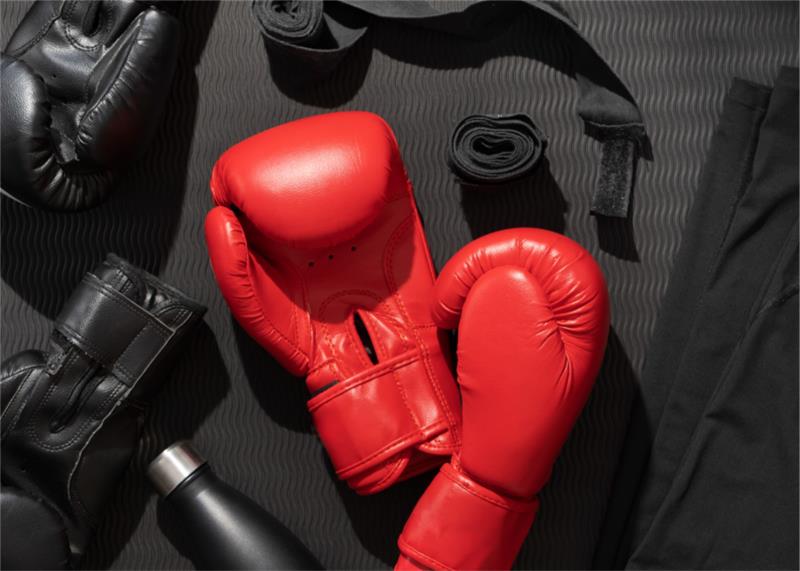
Starting a boxing journey is exciting, but proper equipment is essential for safe and effective training. Boxing places repeated stress on the hands, wrists, and upper body. Without the right gear, even basic drills can lead to discomfort or injury. Quality equipment supports performance, improves confidence, and allows fighters to focus on skill development. Many athletes begin by reviewing reliable protective gear to build a safe training foundation before stepping into the gym.
Why Boxing Gear Matters at Every Level
Boxing is a high-impact sport that demands physical control and endurance. Each punch transfers force through the hands, wrists, and arms. Proper equipment absorbs shock and stabilizes movement, reducing long-term strain.
Beginners benefit from comfort and protection, which helps them learn correct techniques. Intermediate fighters need durability to handle increased training volume. Advanced athletes depend on precision-focused gear that supports performance during intense sessions. The right equipment grows with the fighter.
Essential Gear for Beginners
Boxing Gloves
Gloves are the most important investment for any boxer. Beginners should choose gloves with balanced padding and strong wrist support. These features protect the hands while allowing natural movement. Everlast gloves are often selected by new fighters due to their accessible design and comfort. Hayabusa gloves are also commonly chosen for their structured wrist support, which helps reduce strain during longer sessions.
Proper sizing is essential. Gloves should feel snug without restricting circulation or flexibility. A secure fit improves control and comfort during training.
Hand Wraps
Hand wraps play a critical role in injury prevention. They support the wrist, align knuckles, and reduce friction inside gloves. Wraps also help absorb sweat, extending glove lifespan.
Learning how to wrap hands correctly should happen early in training. Using proper boxing hand wraps improves comfort and stability, especially during repetitive drills and bag work.
Mouthguards and Basic Protection
A mouthguard protects teeth and jaw alignment. Even light training can involve accidental contact. Wearing protective equipment from the beginning builds safe habits and prepares fighters for future sparring.
Training Gear That Builds Skill
The right training gear lays the foundation for developing technique, power, and control throughout every stage of a fighter’s journey.
Heavy Bag and Pad Training
Boxing bags help develop power, endurance, and technique. Pad work improves accuracy, timing, and coordination. Gloves used for these activities should provide enough padding while still allowing feedback from each strike.
Twins Special gloves are often associated with comfort during controlled training, while Fairtex gloves are widely recognized for their compact feel during technical sessions. Choosing gloves that match training goals helps maximize results.
Conditioning Equipment
Jump ropes are a core boxing tool. They improve footwork, balance, and cardiovascular endurance. Consistent conditioning enhances movement and ring control, making it easier to maintain form during longer rounds.
Protective Gear for Sparring
Protective sparring gear helps fighters train safely while maintaining intensity, allowing skill development without unnecessary injury risk.
Headgear and Body Protection
As fighters progress, sparring becomes part of development. Headgear helps reduce impact and lowers the risk of cuts. Body protectors and groin guards provide additional safety during controlled contact sessions.
Many athletes invest in dedicated boxing protective gear when sparring becomes regular. Proper protection allows fighters to train confidently while minimizing injury risk.
Apparel and Footwear
Proper apparel and footwear enhance balance, mobility, and comfort, helping fighters move efficiently and maintain stability during training.
Boxing Shoes
Boxing shoes provide grip, ankle support, and balance. Proper footwear allows smoother pivots, faster movement, and improved stability during defensive maneuvers. Training in boxing shoes also reduces stress on joints compared to regular athletic footwear.
Training Clothing
Breathable, flexible clothing improves comfort and mobility. Proper attire helps regulate body temperature and prevents distractions during workouts.
When to Upgrade Your Gear
Gear upgrades should align with training intensity rather than experience alone. Beginners typically start with general-purpose equipment. As training volume increases, durability and performance become more important.
Intermediate fighters often add separate gloves for sparring and bag work. Advanced athletes may own multiple gear sets to support different training sessions. Upgrading at the right time improves safety and consistency.
Maintaining Your Boxing Equipment
Proper care extends gear lifespan and hygiene. Gloves should be aired out after every session to prevent odor and material breakdown. Hand wraps should be washed regularly. Mouthguards should be cleaned thoroughly after use.
Well-maintained gear improves comfort and reduces the risk of skin irritation or infection.
Common Mistakes Fighters Make
One common mistake is skipping protective equipment to save money. This often results in avoidable injuries that slow progress. Another mistake is buying advanced competition gear too early, which may not provide enough padding for daily training.
- Skipping essential protective gear to reduce costs
- Purchasing competition-level equipment before skill readiness
Balanced investment in both protection and performance gear supports long-term growth. The right choices help fighters train consistently and safely over time.
How Gear Evolves From Beginner to Pro
Beginner gear focuses on protection and comfort to build confidence safely. Intermediate gear emphasizes durability and improved performance for higher training demands. Advanced gear prioritizes precision, specialization, and responsiveness.
- Beginner: protection, comfort, and ease of use
- Intermediate: durability and performance balance
- Advanced: precision, specialization, and high-intensity support
Professional-level training requires equipment that reduces injury risk under stress. Understanding this progression helps fighters make informed and effective purchasing decisions.
Why Quality Gear Makes a Difference
Quality equipment improves confidence and training efficiency by providing better protection and comfort during workouts. Reliable materials, ergonomic design, and consistent padding help athletes move naturally, strike with control, and train longer without unnecessary strain or distraction.
Exploring trusted MMA protective gear options can also support athletes who cross-train or transition between combat sports. Well-designed gear adapts to different training styles, reduces injury risk, and allows fighters to maintain performance consistency across disciplines.
Final Thoughts
Boxing gear plays a vital role in every fighter’s journey. Starting with essential protection builds strong habits and prevents injury. Thoughtful upgrades support performance as training intensity increases.
From gloves and wraps to footwear and protection, each item contributes to skill development. Choosing quality equipment ensures a smoother transition from beginner to advanced training and supports long-term success in the sport.
FAQs
What is the most important boxing gear for beginners?
Boxing gloves, hand wraps, and a mouthguard are essential for beginners to protect hands, wrists, and teeth during training.
Why do boxers need separate gloves for sparring and bag work?
Sparring gloves provide extra padding for safety, while bag gloves focus on durability and feedback during heavy impact training.
How often should boxing gear be replaced?
Gear should be replaced when padding breaks down, support weakens, or hygiene issues appear, depending on training frequency.
Is protective gear necessary for non-competitive boxers?
Yes, protective gear reduces injury risk and supports safe training, even for fitness-focused or recreational boxers.
How does quality boxing gear improve performance?
Well-designed gear enhances comfort, stability, and confidence, allowing fighters to focus on technique, endurance, and skill development.