
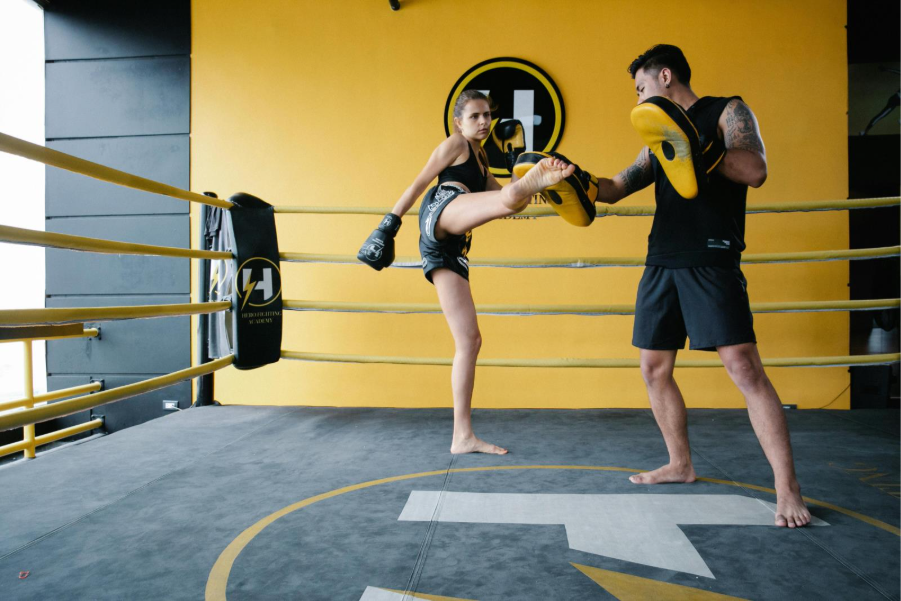
Choosing the right gloves is one of the most important decisions for any combat sport athlete. Kickboxing and boxing are closely related, but the gloves used for each have key differences that affect safety, performance, and comfort. Using the wrong gloves can lead to wrist injuries, hand fatigue, or compromised technique.
In this 2025 guide, we will explore the differences between kickboxing gloves and traditional boxing gloves. We’ll cover sizing, padding, weight, top models like Everlast Powerlock 2 and Everlast 1910 Kickboxing gloves, women’s options, and budget-friendly choices under €50. By the end, you will understand exactly which gloves suit your training or competition needs.
Why Kickboxing Gloves Are Different from Boxing Gloves
Kickboxing gloves are designed to handle a wider range of movements than boxing gloves. While boxing focuses on punching, kickboxing requires blocking kicks, clinching, and sometimes grappling. This affects glove design, weight distribution, and padding.
- Wrist mobility: Kickboxing gloves provide a slightly more flexible wrist wrap to allow for quick clinches and defensive maneuvers.
- Padding distribution: The padding in kickboxing gloves often extends to the sides for blocking kicks and elbows.
- Glove shape: Kickboxing gloves usually have a flatter, longer cuff to allow better hand and wrist movement during kicks.
- Weight options: Kickboxing gloves are commonly available in 8oz or 10oz for competition, compared to boxing gloves, which often start at 10oz for fights but go higher for training.
Kickboxing gloves are generally lighter and more versatile for multiple striking styles. They still provide protection but focus more on mobility and technique adaptation. Boxing gloves, on the other hand, prioritize punching power and wrist support for repeated impact on a narrow target.
Understanding these differences helps athletes select gloves that match their sport. Using boxing gloves for kickboxing may limit mobility and protection during kicks or clinches. Conversely, kickboxing gloves may not offer the same wrist stability needed for competitive boxing.
How to Choose the Right Glove for Kickboxing in 2025
Selecting the right kickboxing glove depends on weight, size, padding, closure type, brand preference, and budget. The correct gloves protect your hands, improve performance, and enhance overall training experience.
Key factors to consider:
- Size and weight: 8oz and 10oz gloves are standard for competition, while 12oz–16oz are better for training and sparring.
- Padding: Multi-layered foam absorbs impact effectively, reducing hand and wrist injuries.
- Closure system: Hook-and-loop closures are convenient for training, while lace-up gloves offer better wrist support for fights.
- Brand and fit: Premium brands like Everlast and Fairtex provide ergonomic designs and durable materials.
- Budget considerations: Affordable gloves under €50 provide adequate protection for beginners or casual training.
When choosing a glove, first determine the purpose: competition, sparring, or bag work. Heavier gloves protect more but may slow hand speed. Lighter gloves improve speed and technique but reduce padding. Women should consider gloves with narrower palms and smaller sizes for better fit and comfort.
The Everlast Powerlock 2 is a top pick for 2025, combining multi-layered foam, leather-like material, and secure hook-and-loop closure. It suits both beginners and competitive athletes. The Everlast 1910 Kickboxing glove is another versatile option, offering a classic design with ample padding for training and sparring. Budget gloves under €50 also provide basic protection, making them suitable for entry-level athletes.
Proper glove selection prevents injuries, enhances technique, and ensures a longer training lifespan. Athletes should try different sizes and models to find the most comfortable and effective fit.
Top Models & Budget Picks for Kickboxing and Boxers in 2025
Several gloves stand out in 2025 for their quality, performance, and value. These gloves cater to different skill levels, sizes, and price points.
- Everlast Powerlock 2: Offers superior padding, wrist support, and durability. Ideal for serious training and competition.
- Everlast 1910 Kickboxing: Combines classic design with versatile use for both training and light competition.
- Budget gloves under €50: Affordable options provide adequate protection for beginners and casual athletes.
- Women’s kickboxing gloves: Designed with narrower hands, smaller sizes, and ergonomic wrist support.
- 8oz vs 10oz gloves: Competition sizes vary depending on weight class and local regulations.
Everlast Powerlock 2 gloves feature multi-layer foam to absorb shock while maintaining speed. They include breathable material to keep hands cool during long sessions. The Everlast 1910 Kickboxing gloves have reinforced stitching, comfortable padding, and hook-and-loop closures for easy wear.
Budget options under €50 may not last as long but are excellent for beginners who train sporadically. They provide sufficient padding to prevent common injuries and allow athletes to practice safely before investing in premium models.
Women’s kickboxing gloves ensure proper hand fit, wrist support, and comfort during extended sessions. Using gloves that are too large can lead to slipping inside the glove, causing bruises or reduced control. Proper fit allows for better technique and prevents hand fatigue.
For competition, choosing between 8oz and 10oz gloves depends on your weight class and fight rules. Lighter gloves are faster, while heavier gloves provide more protection during high-impact strikes. Understanding these distinctions helps athletes perform better and train safely.
Kickboxing Glove Size Guide
Glove size plays a crucial role in performance, safety, and comfort. Standard kickboxing glove sizes include 8oz, 10oz, 12oz, 14oz, and 16oz.
- 8oz gloves: Ideal for competition in lighter weight classes, offer speed but less padding.
- 10oz gloves: Standard competition size for most kickboxing matches, balance speed and protection.
- 12oz–16oz gloves: Commonly used for training, sparring, and bag work to reduce risk of injury.
Choosing the correct glove size depends on hand circumference, weight, training intensity, and competition requirements. Testing several gloves is recommended to find the most comfortable fit. Women should choose sizes that provide snug fit without compressing the fingers.
Using the right glove size improves punching technique, reduces hand fatigue, and ensures safety during extended sessions. Oversized gloves can restrict movement, while undersized gloves may fail to protect your hands adequately.
Everlast Powerlock 2 Review
The Everlast Powerlock 2 is one of the best kickboxing gloves in 2025. It balances comfort, durability, and impact absorption, making it suitable for training, sparring, and competition.
Key features include multi-layer foam padding, reinforced stitching, and secure hook-and-loop closure. These gloves support wrist stability while maintaining hand mobility, ideal for clinching and blocking kicks. The material is durable yet flexible, resisting wear from heavy use.
For athletes looking for a premium option, the Everlast Powerlock 2 offers value and performance. They are especially recommended for those who cross-train in boxing and kickboxing.
Final Thoughts & Best Practices for Use and Care
Selecting the right kickboxing glove requires understanding sport-specific differences, glove size, and intended use. Kickboxing gloves differ from boxing gloves in padding, shape, and wrist mobility. Choosing gloves that fit well, provide sufficient protection, and match your training style prevents injury and improves performance.
Proper care extends glove lifespan. Wipe gloves after each session, allow them to air dry, and rotate pairs if possible. Replace gloves when padding compresses or material wears out. Investing in quality gloves, maintaining them, and selecting the right size ensures safety and effectiveness during training and competition. For a wide selection of high-quality gloves, visit Boxing Royale.
Cross-training athletes who use both boxing and kickboxing gloves should choose gloves specific to the sport. Kickboxing gloves allow clinching, side protection, and mobility for kicks, while boxing gloves provide wrist stability and punching power.
Frequently Asked Questions
Q1: What is the difference between kickboxing gloves vs boxing gloves?
Kickboxing gloves have more flexible wrists, flatter cuffs, and side padding to block kicks and elbows. Boxing gloves focus on punching and wrist support.
Q2: What glove size should I use for kickboxing sparring or competition?
8oz and 10oz gloves are standard for competition, while 12oz–16oz gloves are better for training and sparring.
Q3: Are budget gloves under €50 safe for kickboxing?
Yes, for beginners and casual training. They provide basic protection but may wear out faster than premium gloves.
Q4: Can I use boxing gloves for kickboxing or Muay Thai?
You can, but they may limit wrist mobility and side protection, making clinches and kick-blocking less effective.
Q5: How do I choose women’s kickboxing gloves?
Look for gloves with narrower palms, smaller sizes, proper wrist support, and ergonomic padding for hand protection and comfort.